
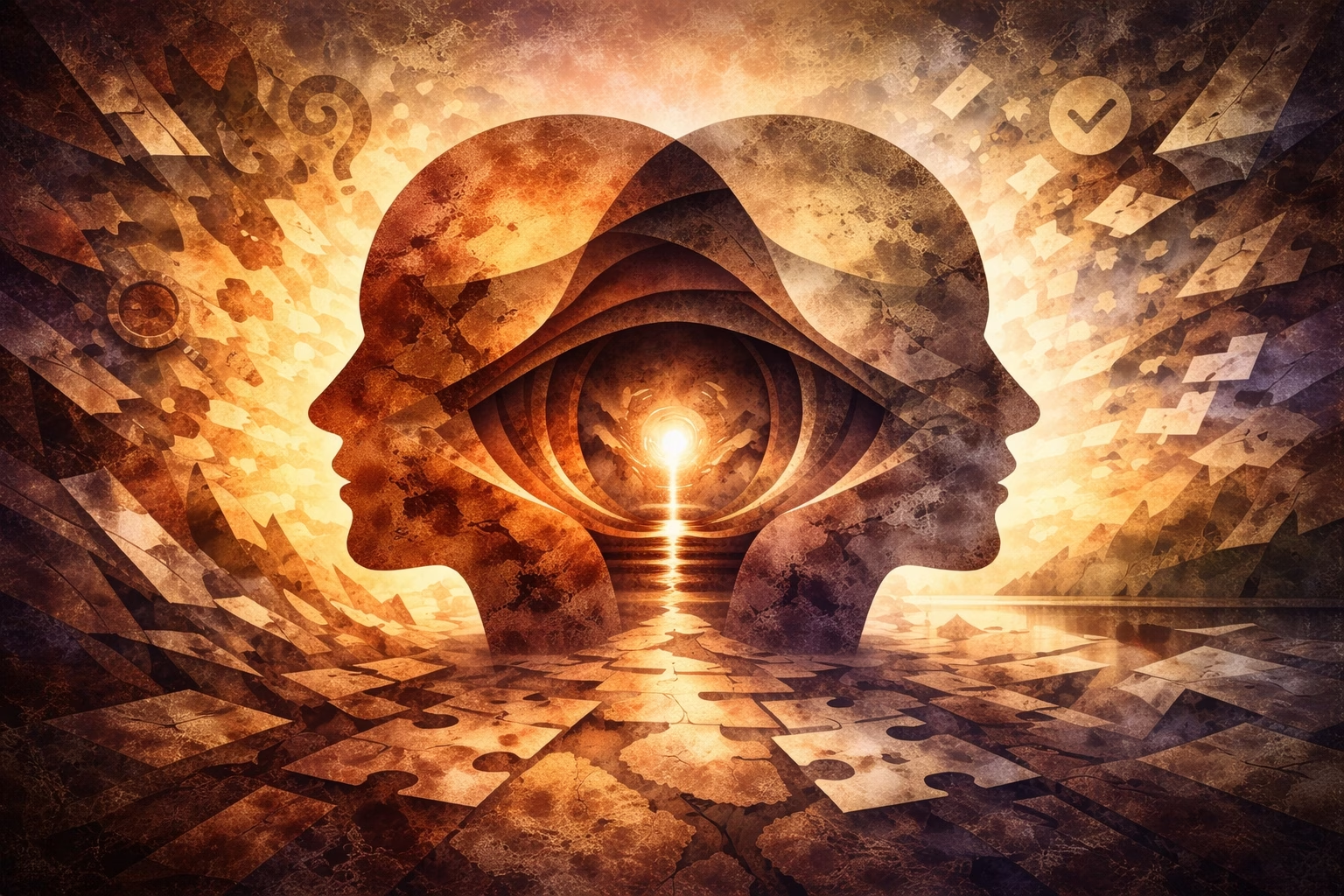
I feel this happening inside my own mind and it honestly unsettles me. I notice how strongly I grab onto information that supports what I already believe while pushing away anything that contradicts it. That pull is confirmation bias. My conscious awareness processes only a tiny slice of everything around me, and that fact makes me uneasy. My beliefs step in and start filtering reality for me. They decide what feels true, what feels important, and what I barely notice. When I face that directly, I feel a mix of tension and frustration because it means my sense of reality is already shaped before I think I am choosing it.
- What confirmation bias is and how it filters perception.
- Why belief challenges feel threatening or painful.
- Where confirmation bias shows up in daily life.
- How technology and AI reinforce belief loops.
When I really pay attention to confirmation bias, I feel how deeply it runs beneath awareness. It shapes what I notice, how I interpret events, and what I remember later. When someone challenges a belief I hold, my reaction often hits first. I feel anxious. I feel defensive. Sometimes irritated. My nervous system reacts before careful reasoning even begins. That tension pushes people, including me, to defend beliefs instead of reconsidering them. Repeated confirmation slowly turns belief into lived experience. It begins to feel like obvious reality. What troubles me more is how technology and AI intensify these loops. Systems keep feeding people information that aligns with what they already believe, and many people never realize how strongly their beliefs shape what they see.
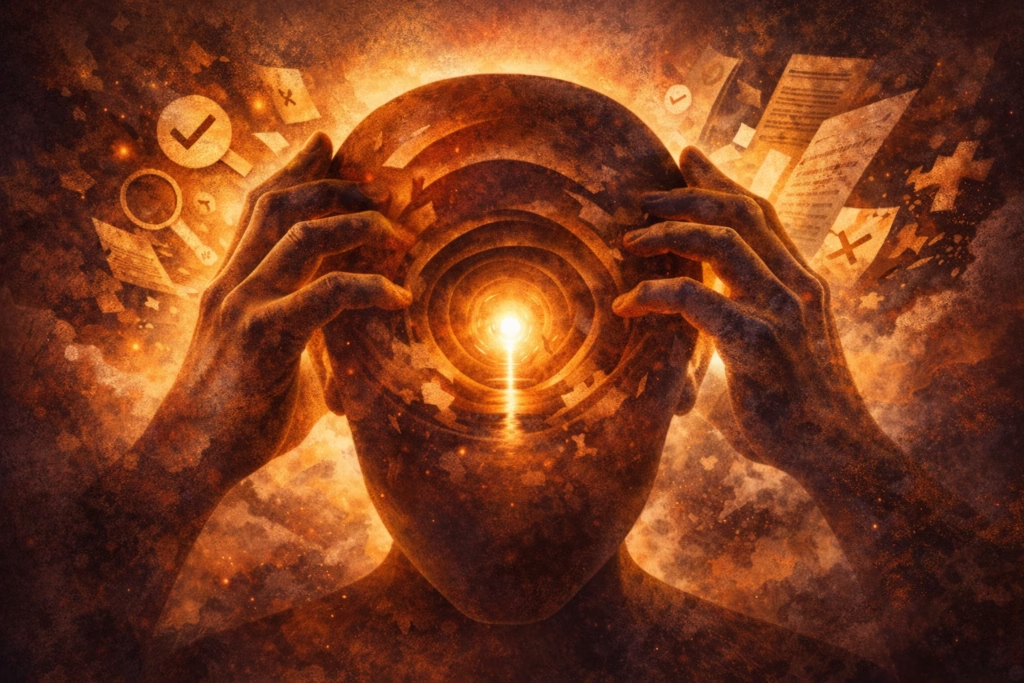
How Confirmation Bias Builds a Convincing Personal Reality
When I step back and look closely, confirmation bias becomes impossible for me to ignore. I see how it forms inside human thinking, why disagreement can feel personal and upsetting, where it appears across everyday life, and how digital systems amplify it. Each piece leaves me uneasy because beliefs do not simply interpret reality. They help construct what people experience as reality.
Why My Mind Clings to Beliefs and Filters What I See
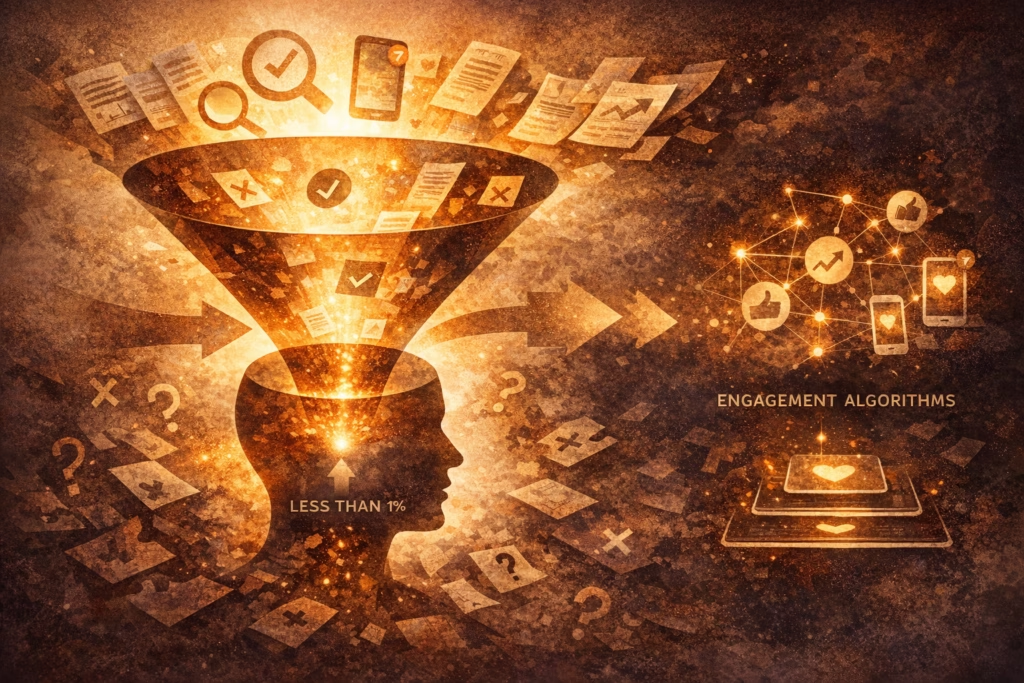
Confirmation bias is the tendency to seek, interpret, and remember information that supports existing beliefs. My brain processes enormous streams of information every second, yet less than one percent reaches conscious awareness. That reality makes me uncomfortable because it means most perception never reaches deliberate thought. My mind filters experience through expectations, past experience, and emotional relevance. Once a belief forms, confirming details jump out immediately. Conflicting evidence fades away. I can feel how easily that creates a reinforcing loop that strengthens belief even when other people see something completely different.
5 Reasons I Feel Threatened When Someone Challenges My Beliefs
When beliefs connect with identity or emotional safety, disagreement stops feeling neutral. I feel tension quickly.
- I feel immediate discomfort when someone questions a belief that feels tied to who I am
- .My nervous system reacts quickly and I feel anxious or defensive before reasoning begins.
- Cognitive dissonance creates real mental stress that I want to escape.
- I notice how people defend beliefs just to restore internal stability.
- In those moments protecting inner coherence can feel more urgent than accepting conflicting evidence.
How I Catch Confirmation Bias Showing Up in My Relationships, Health Decisions, Work, and Online Feeds
When I start watching closely, I see confirmation bias everywhere people interact.
In relationships, expectations shape what I notice about other people. If I expect kindness or conflict, my attention locks onto moments that confirm that expectation.
In health and work decisions, early impressions narrow what evidence feels believable to me. I feel how strongly my mind prefers information that supports my first conclusion.
Online feeds amplify this pattern even more. Platforms show people content aligned with existing views again and again. After repeated exposure it starts to feel like shared consensus rather than filtered information. That realization frustrates me because many people never see how narrow that loop becomes.
How I See My Own Beliefs Reflected Back Through Technology and AI
When I look closely at technology, I see confirmation bias operating inside digital systems. Recommendation systems learn user preferences and keep presenting similar content repeatedly. Exposure slowly narrows while users often feel nothing unusual.
AI systems can also encode human assumptions through training data and optimization goals. Those assumptions then echo back through automated outputs and recommendations.
What unsettles me most is how neutral that experience feels. When digital systems mirror beliefs back to users, reinforcement appears objective. Yet those signals often reflect human assumptions already embedded in data and engagement patterns.
FAQs
I feel my mind grabbing onto information that supports what I already believe and resisting anything that contradicts it. I notice how quickly I defend my beliefs when something threatens them. That pull is confirmation bias, and it frustrates me because I can feel how strongly my mind wants confirmation instead of contradiction.
I catch myself locking onto details that match what I expect to see. My attention pulls those pieces forward while conflicting information fades before I fully confront it. I feel my perception bending toward what already feels true, and that realization honestly makes me uneasy.
When someone questions a belief that feels tied to who I am, I feel tension immediately. My body tightens and I feel anxious or defensive before logic even shows up. That reaction hits hard because the belief feels connected to identity or emotional safety.
When I realize that less than one percent of processed information reaches conscious awareness, I feel unsettled. My brain filters almost everything before I even notice it, and that makes me feel how much of my perception is shaped automatically.
I see how engagement-based systems repeatedly push content aligned with existing user preferences. The same viewpoints keep appearing again and again, and people can start feeling like their beliefs are constantly confirmed.
When I Finally See How My Mind Filters Reality
When I understand confirmation bias, I feel a moment of pause before reacting automatically. I question interpretations that instantly feel true. That pause matters to me. When I recognize how beliefs filter perception, I create space for more deliberate awareness and more careful decisions.