
Signal Desk Editorial

Thoughtful analysis, practical guides, and curated resources.
Guides by Organization
Guides by Topic

Articles focused on civic and public advocacy: how individuals and organizations influence policy, law, and public opinion on issues that matter.
Articles examining the legal, ethical, and advocacy dimensions of animal protection, including legislation, litigation, and everyday ways to support animal welfare.

Articles exploring the intersection of commerce, finance, and social responsibility. Covering ethical business models, corporate accountability, and economic systems.

Articles about the protection of individual rights and freedoms, covering legal frameworks, landmark cases, and the organizations defending civil liberties in the US.
Cognitive dissonance is the psychological discomfort caused by conflicting beliefs, values, decisions, or actions. How people justify contradictions, how language softens uncomfortable truths, and how dissonance shapes decision-making, institutional messaging, and AI ethics.

Content written with a warm, inclusive voice. Centered on shared values, collective action, and the human connections that drive meaningful change. Reflects the Connection orientation.
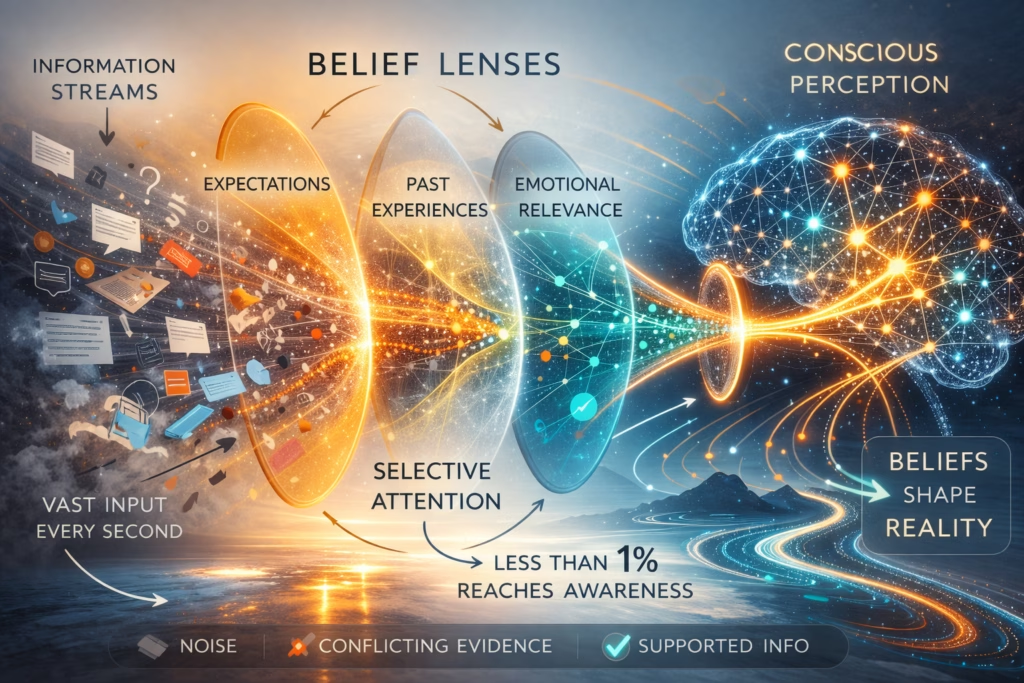
Articles examining confirmation bias as a cognitive pattern. How existing beliefs shape perception, memory, and interpretation of new information.

Articles examining how businesses integrate social and environmental responsibility into their operations, governance, and public accountability.

Articles about efforts to protect natural ecosystems, covering conservation science, environmental law, climate policy, and public engagement strategies.

Articles about access to nutritious food, covering food bank operations, systemic causes of hunger, and how communities address food insecurity.

Articles connecting health, wellbeing, and broader social systems, including mental health, physical wellness, and the organizations working to support them.
Explore articles about invisible disability, chronic conditions, healthcare access, disability rights, accommodations, stigma, benefits, and practical support. Learn how invisible disabilities affect daily life, work, medical care, communication, and access to resources.
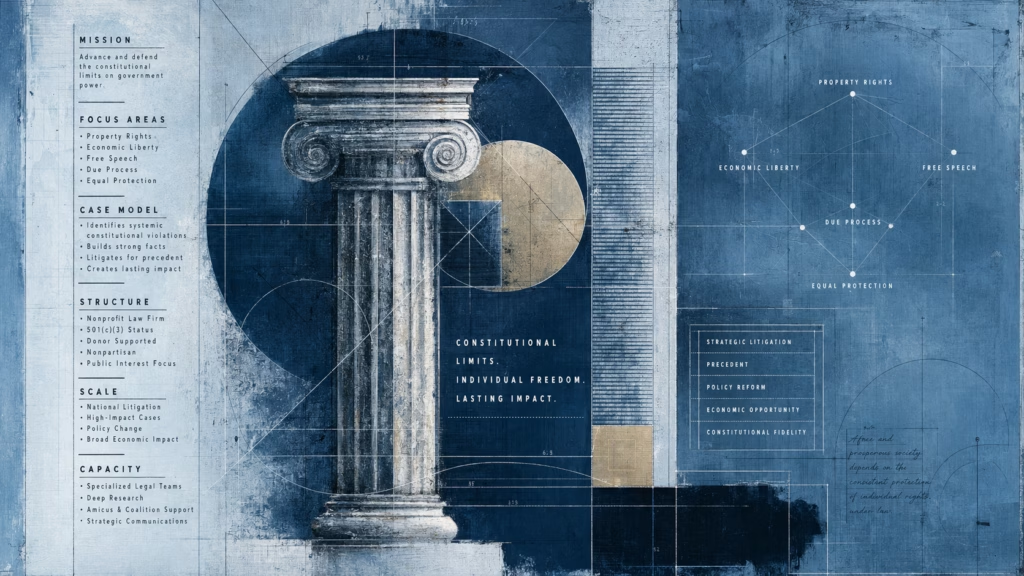
Articles covering legal frameworks, landmark cases, and law-based strategies for creating social and environmental change.

Psychological triangulation refers to a relationship pattern where conflict between two people is redirected through a third person. Common in families, romantic relationships, and workplaces, it often involves indirect communication, alliance-building, or emotional pressure.

Articles grounded in psychological research and theory, covering how the mind works, behavioral patterns, cognitive processes, and mental frameworks.
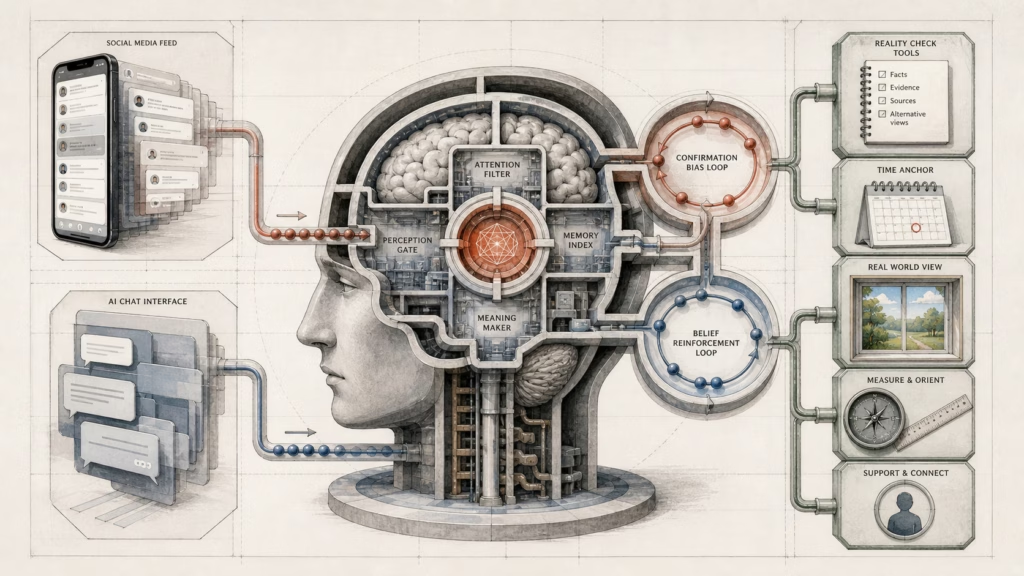
Psychosis refers to disruptions in perception and reality. These articles cover psychosis in both clinical and modern contexts, including the influence of social media, confirmation bias, belief systems, and artificial intelligence on how individuals interpret reality.

Articles grounded in empirical research and data analysis, covering how research organizations generate knowledge and how findings inform public understanding.

Articles grounded in scientific research and educational frameworks, covering how knowledge is produced, validated, and applied to real-world understanding.

Learn how self-coherence supports identity stability, self-trust, emotional awareness, resilience, and independent thinking.

Articles exploring how organizations, businesses, and individuals create measurable positive change in communities and society at large.
Guides by Type

Structured guides that break down complexity and deliver precise, evidence-based understanding.

Guides on urgent causes worth fighting for, written to inform and activate.

Human-centered guides that bring the people and communities behind issues to life.

Personal, first-person guides that build trust through lived experience and honest perspective.
