Closer looks. Clearer signals.

Category: Clarity

Structured analytical thinking that breaks down complexity, organizes information, and drives precise understanding. Each guide here delivers evidence-based analysis on the topics that shape how we think and act.

ACLU Advocacy Analytical Writing Animal Legal Defense Fund Animal Rights ASPCA B Corp Big Picture Thinking Business and Money Charity Navigator Civil Liberties Community Focus Confirmation Bias Corporate Ethics Critical Thinking Environmental Advocacy Food Security For Advocates For Curious Readers For Donors For Professionals Health and Wellness How It Works LA Food Bank Legal National Women's Law Center Nature Conservancy Nonprofit Sector NRDC Pew Research Center Psychology Research and Data Science and Education SF Bay Area Food Banks Social Impact UNICEF USA Values Driven What Is What You Can Do Why It Matters

  • How to Use Charity Navigator’s Innovative Giving Platforms to Streamline Your Philanthropy

    Charitable giving tools infographic showing interconnected Causeway bridge, Giving Circle Finder circles, and Estate Planning documents.
    Step-by-step giving journey infographic showing bridge, interconnected circles, and secure document icons for Charity Navigator’s platforms.
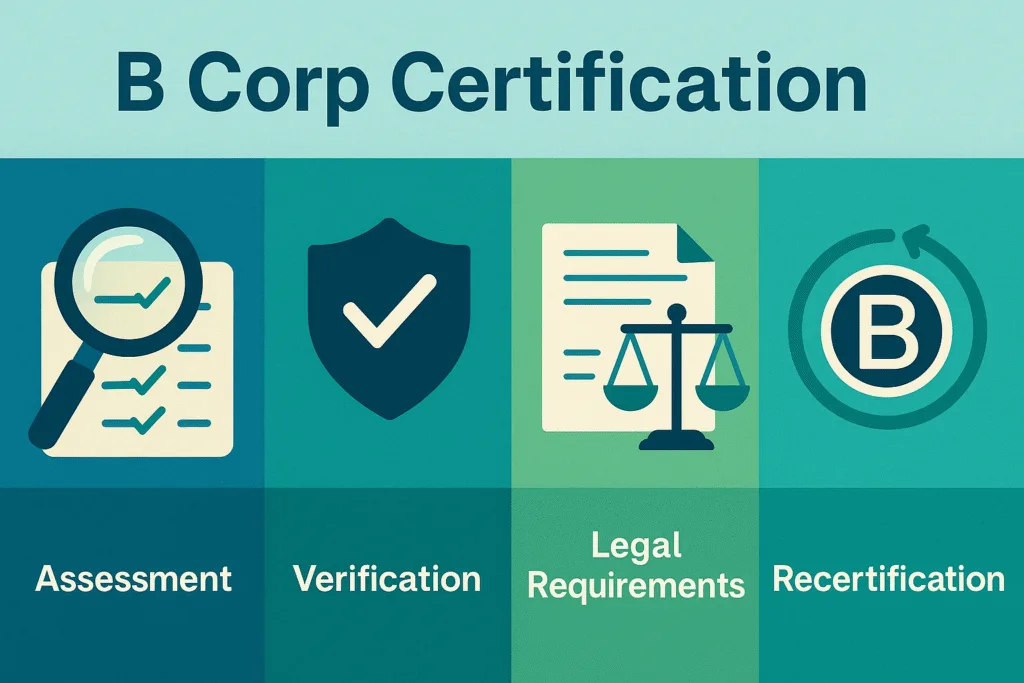
  • How To Achieve B Corp Certification: A Step-by-Step Guide to the Certification Process

    B Corp Certification infographic showing assessment, verification, legal requirements, and recertification process in blue-green vector style.
    B Corp certification step-by-step journey illustration with ascending geometric path, abstract progress icons, and sunrise, digital art
  • How to Support the ASPCA Right Now

    Ways to support ASPCA, illustrated by four hands holding a coin, house, heart, and scale in warm, uplifting orange tones, conceptual illustration.
    ASPCA support infographic showing four symbolic steps—donating, volunteering, adopting, advocating—along a glowing path, warm orange palette.
  • How To Help Animals Using ALDF’s Free Legal Tools

    Animal advocacy hero illustration, hands releasing leafy branches and glowing symbols, cut-paper style, green and gold tones.

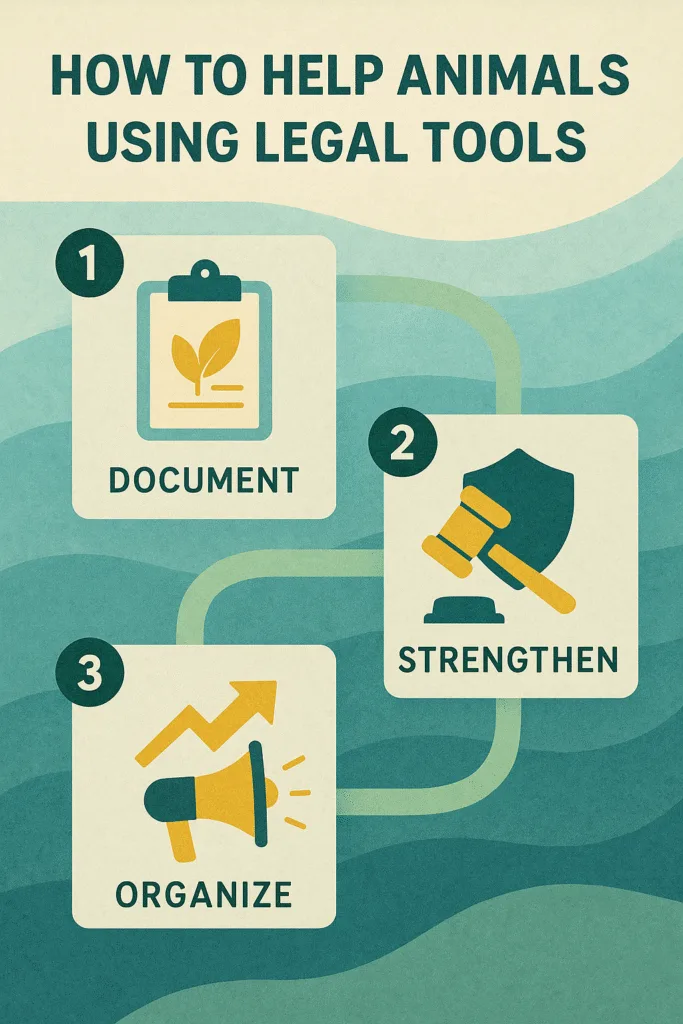
    You don’t need a law degree to fight for animal rights. The Animal Legal Defense Fund (ALDF) makes it easy for anyone—students, advocates, or everyday animal lovers—to make a legal impact. Their public resources empower people to report cruelty, push for stronger laws, and organize local action. This how-to guide shows you exactly how to use ALDF’s free tools to take meaningful steps for animals right now.

    Animal advocacy infographic showing three steps—document, strengthen, organize—using legal tools with abstract icons.

    1. Use ALDF’s Legislative Guides to Take Immediate Action

    You don’t need a background in law to speak up for animals. ALDF’s legislative advocacy tools help you contact lawmakers, build public support, and push for better animal protection laws. The “Working with Legislators” guide gives you sample scripts, tips for setting up meetings, and steps for giving public testimony. Whether you’re new to advocacy or already active, this guide helps you make your voice count.

    2. Report Animal Cruelty with Their Step-by-Step Legal Guides

    If you witness animal cruelty or suspect abuse, ALDF’s public reporting guides help you take the correct legal steps. These guides walk you through how to document evidence, contact law enforcement, and navigate local animal protection laws. Visit ALDF’s Reporting Cruelty Center to access guides tailored for different types of cruelty and local jurisdictions. This ensures your report is both impactful and legally sound.

    3. Subscribe to ALDF’s Action Alerts to Influence Laws

    By signing up for ALDF’s Action Alerts, you get notified when urgent legislative changes are happening—so you can voice your opinion before decisions are made. These alerts include links to send messages directly to lawmakers with just one click. You don’t need to be a policy expert—ALDF provides everything you need to advocate quickly and effectively.

    4. Organize Local Events with ALDF’s Student Chapter Project Kit

    Want to rally your community around animal protection? ALDF’s Student Chapter Project Kit offers ideas and resources for planning educational events, film screenings, and fundraisers. Whether you’re hosting a documentary night or a speaker panel, this kit provides guidance to make your event impactful.

    5. Donate or Join a Campaign to Multiply Your Impact

    If your time is limited, you can support ALDF by donating or by joining ongoing legal campaigns. These focus on key issues like factory farming, animal testing, and wildlife exploitation. Visit the ALDF Campaigns page to find an initiative that aligns with your values. Your contribution funds legal cases, public education, and policy change efforts that directly help animals.

    You Don’t Need to Be a Lawyer to Make a Legal Difference

    Special Offer

    Join ALDF’s ROAR (Remote Online Advocacy Representatives) program to become a social media ambassador for animal protection. As a ROAR member, you’ll receive weekly content to share, a digital badge, and exclusive perks like patches and event invitations. Top participants may also earn a free ALDF membership, including a subscription to The Animals’ Advocate newsletter. Sign up here: The ROAR Program – ALDF

  • How to Get Legal Help from the ACLU

    Legal assistance abstract illustration for ACLU help, luminous geometric bridge through clouds, blue tones, light and shadow, digital painting.
    Civil liberties editorial illustration for ACLU help, abstract protective dome of light over United States map, blue and gold painterly style.
  • UNICEF USA

    Youth leadership UNICEF USA, abstract luminous ribbons with blue and gold, impressionistic illustration evoking global advocacy and hope, AVIF.

    The Comprehensive Guide to UNICEF USA: Mission, Youth Programs, Advocacy & Volunteer Opportunities

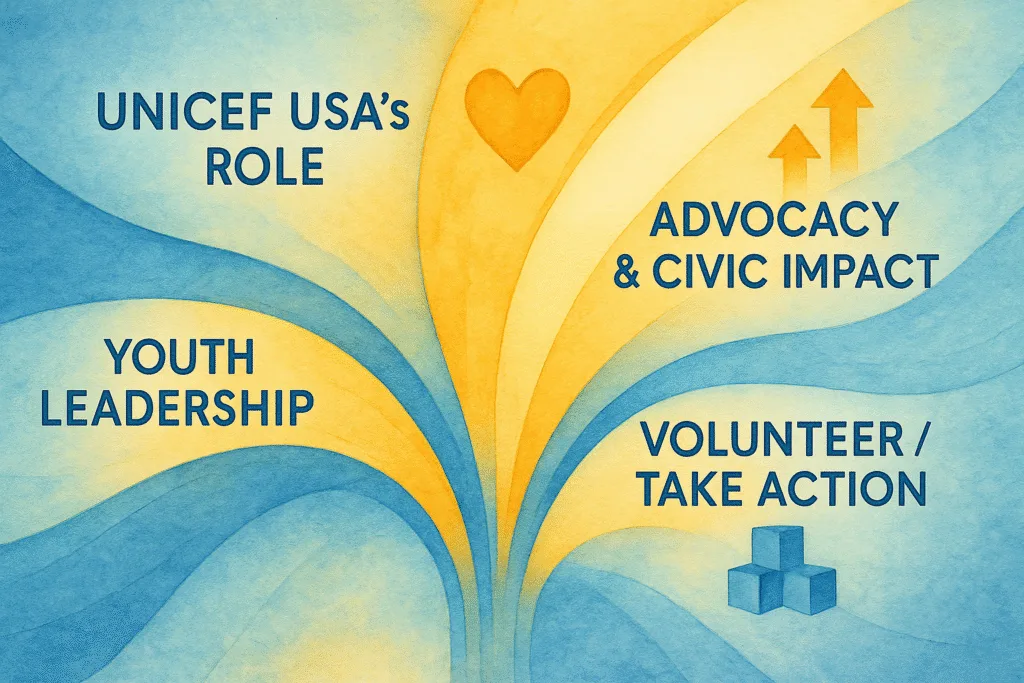
    UNICEF USA guide illustration, abstract infographic with blue and gold bands representing role, youth leadership, advocacy, and volunteer action, AVIF.
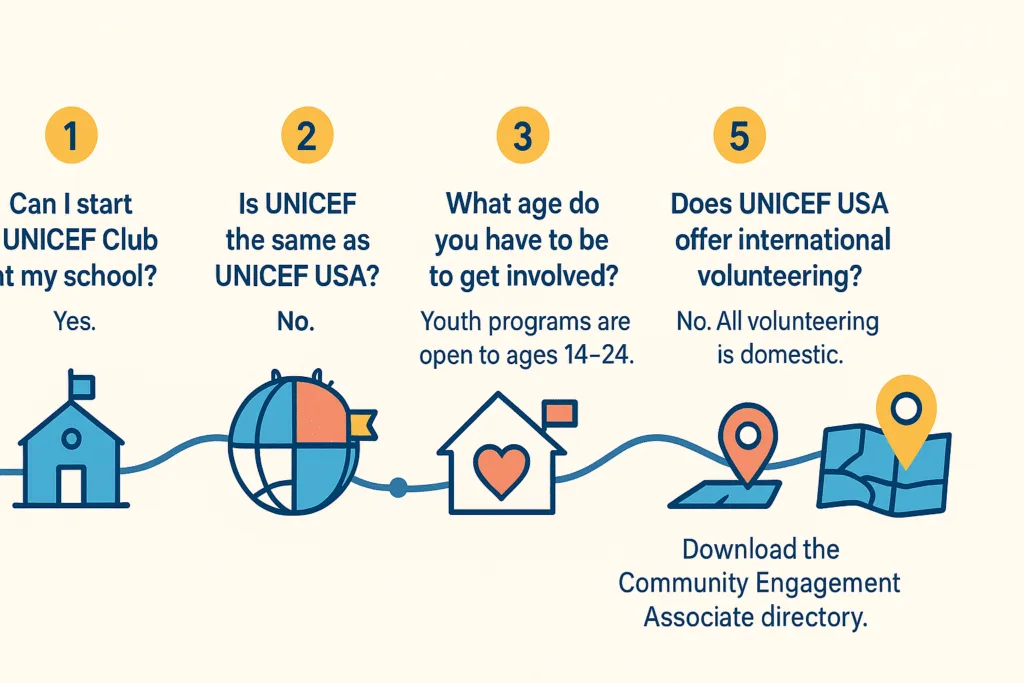
    UNICEF USA FAQ timeline infographic, five numbered icons for club, organization, age eligibility, volunteering, and regional contacts
    Can I start a UNICEF Club at my school?

    Yes. Follow the official starter guide and resources.

    Is UNICEF the same as UNICEF USA?

    No. UNICEF is a UN agency. UNICEF USA is its independent U.S.-based partner for fundraising and advocacy.

    What age do you have to be to get involved?

    Youth programs are open to ages 14–24. Other opportunities are open to adults and families.

    Does UNICEF USA offer international volunteering?

    No. All volunteering is domestic and focused on supporting UNICEF’s global mission from within the U.S.

    How do I find my regional volunteer contact?

    Download the Community Engagement Associate directory.

  • The Nature Conservancy

    Impressionistic landscape painting of rolling green hills, winding sunlit path, and rippling water, expressing environmental connection.

    The Nature Conservancy: Everything You Need to Know About Who They Are, What They Do & How You Can Help

    Nature Conservancy editorial illustration, abstract world map with flowing lines, textured land and water, glowing light and shadows, digital art.
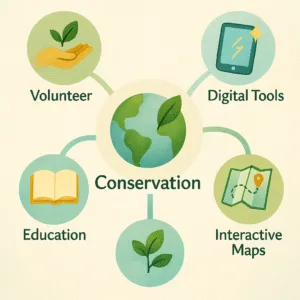
    FAQ infographic with a central globe and leaf icon for conservation, connected to icons for volunteer, digital tools, education, and interactive maps.
    What is The Nature Conservancy’s mission?

    The Nature Conservancy’s mission is to conserve the lands and waters on which all life depends. They use science-driven strategies and work in partnership with communities, businesses, and governments to protect natural resources worldwide.

    How can I volunteer or support TNC’s programs?

    You can volunteer by searching for local opportunities on The Nature Conservancy’s volunteer portal. Projects include trail cleanups, invasive species removal, and citizen science events. After signing up, TNC provides details and support to help you prepare. You can also join longer-term initiatives or organize your own local conservation event with guidance from your nearest TNC chapter.

    Where can I calculate my carbon footprint or find planting guides?

    TNC offers a free Carbon Footprint Calculator that estimates your household’s emissions from activities like energy use, travel, and diet, and gives personalized tips for reducing your impact. For planting guides, TNC’s Native Plant Garden Guide offers region-based recommendations for plants that restore habitat and support pollinators, making it easy to start an environmentally friendly garden.

    What free educational content does TNC offer for classrooms?

    TNC’s Nature Lab platform provides free, standards-aligned lesson plans, virtual field trips, activity guides, and videos covering topics such as climate science, biodiversity, and sustainability. Resources are available for K–12 classrooms and families, including bilingual materials and hands-on experiments to bring conservation science to life.

    Can I view TNC’s projects on a map?

    Yes. TNC’s interactive conservation maps let you explore protected areas, biodiversity hotspots, climate-resilient landscapes, and freshwater projects globally. These maps are user-friendly, don’t require special software, and offer downloadable data for students, advocates, and planners who want to see conservation impact near them or worldwide.

  • SF Bay Area Food Resources

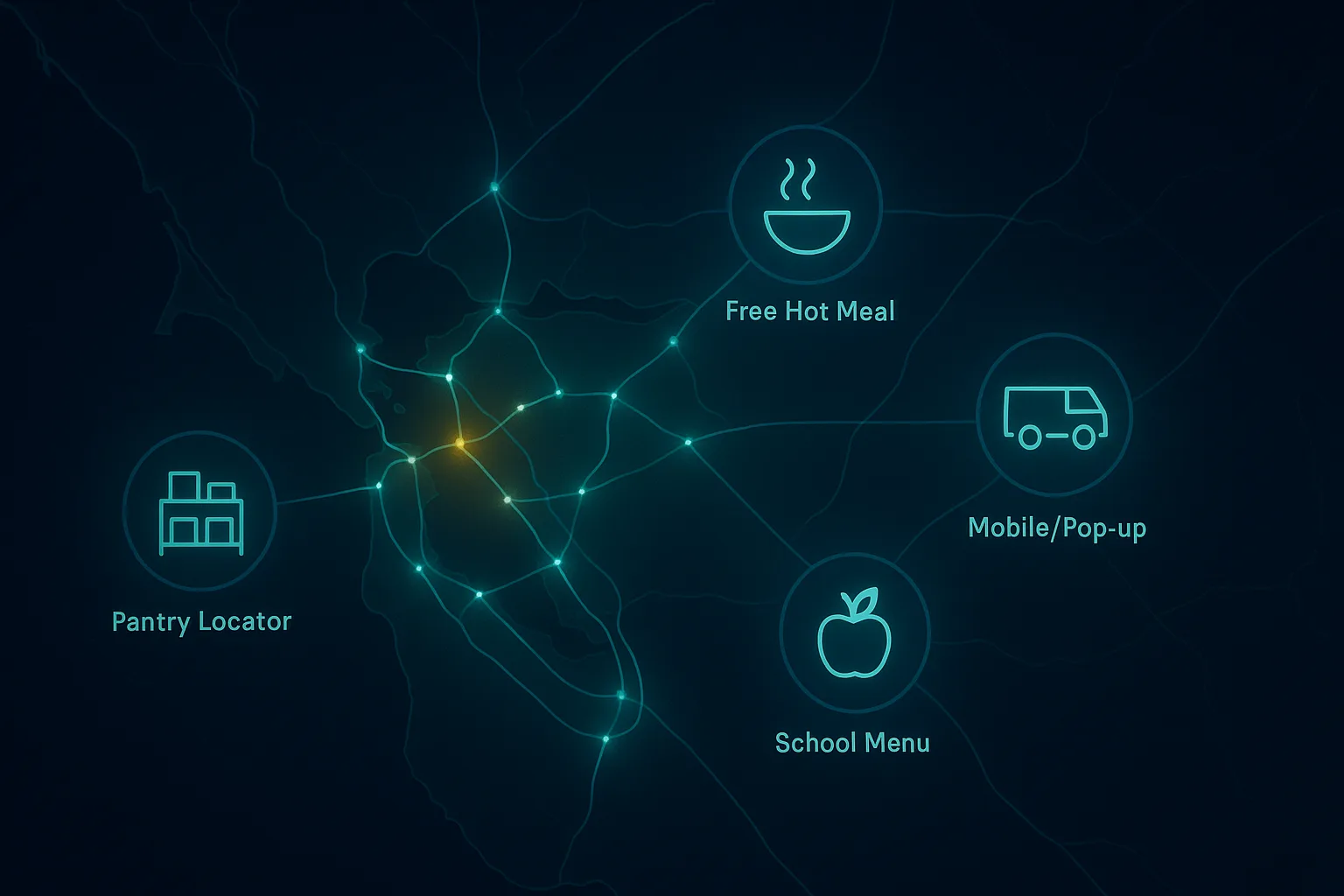
    Abstract Bay Area map with glowing node network and pantry, hot meal, mobile pop-up, and school menu glyphs spanning SF, Alameda, Contra Costa, and Solano

    SF Bay Area Food Resources: The Ultimate Guide to Accessing Help Now

    This guide spotlights concrete, ready-to-use food resources across San Francisco, Alameda, Contra Costa, and Solano Counties—especially helpful if SNAP/CalFresh benefits are delayed. You’ll find quick steps, phone numbers, and links so your household can get food today. SF-Marin Food Bank, ACCFB, and the Food Bank of Contra Costa & Solano all maintain active find-food tools and hotlines.

    • How-To Find Food Fast: Pantry Locators + 211 Backup
    • Beginner’s Guide to Free Hot Meals Today: Dining Rooms & Community Kitchens
    • Understanding Direct-Serve Options: Mobile & Pop-Up Distributions
    • Top 5 Ways to Use School & Community Distributions

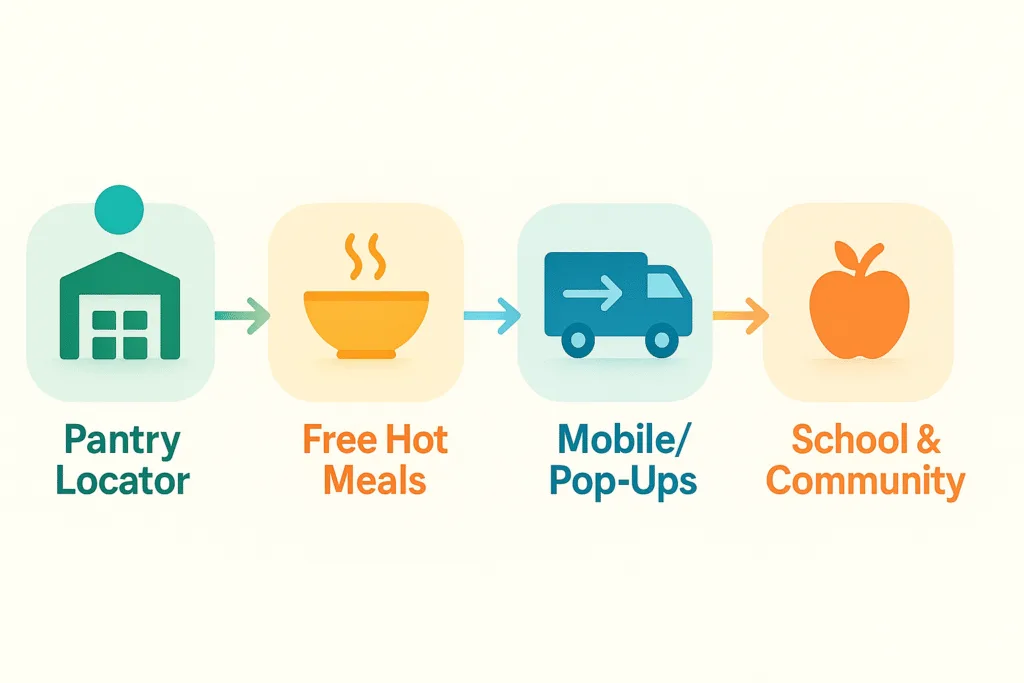
    Because distribution times can change, start with each county’s Pantry Locator (and call ahead), use 211 if you’re offline, and check free hot meals and school/community distributions that continue even during benefit interruptions.

    Infographic showing four Bay Area food access options—pantry locator, free hot meals, mobile pop-ups, and school community distributions—connected in a left-to-right flow

    Resources You Can Use Today

    Across the Bay Area, food banks and partners provide free groceries through neighborhood pantries, pop-up/mobile distributions, and school/community sites—no one should go hungry while payments are in flux. Use the tools and phone numbers below for same-day help.

    How-to Find Food Fast: Pantry Locators + 211 Backup

    When CalFresh/SNAP is delayed or your budget is tight, you can still get groceries today. This shows you the fastest path: use your county’s pantry locator first, then call the site (or a food bank helpline) to confirm hours. If you cannot get online, dial 211 for live, multilingual referrals.

    Beginner’s Guide to Free Hot Meals Today: Dining Rooms & Community Kitchens (No ID or Benefits Needed)

    Skip pantry lines when you need a ready-to-eat meal now. This guide links directly to same-day dining rooms and community kitchens across all four counties—San Francisco (e.g., St. Anthony’s, GLIDE, city meal lists), Alameda (e.g., SVdP Oakland, CityTeam, day-by-day schedules), Contra Costa (e.g., Loaves & Fishes dining rooms, SVdP sites), and Solano (city pages listing soup kitchens plus a helpline). Each link goes straight to addresses, serving times, and eligibility (if any).

    Understanding Direct-Serve Options: Mobile & Pop-Up Distributions

    When access is hardest, mobile and pop-up models bring groceries to you. In the Bay Area, you can find them through SF-Marin Food Bank’s map, Alameda County Community Food Bank’s FoodNow/Helpline, and Food Bank of Contra Costa & Solano’s city pages.

    Top 5 Ways to Use School & Community Distributions: Meals for Students and Family Boxes

    California Universal Meals = free breakfast and lunch for all TK–12 students. If SNAP/CalFresh is delayed, school meal programs can bridge the gap fast. Use the district menu links to find today’s times and locations, then add nearby community food pickups for the rest of the household.

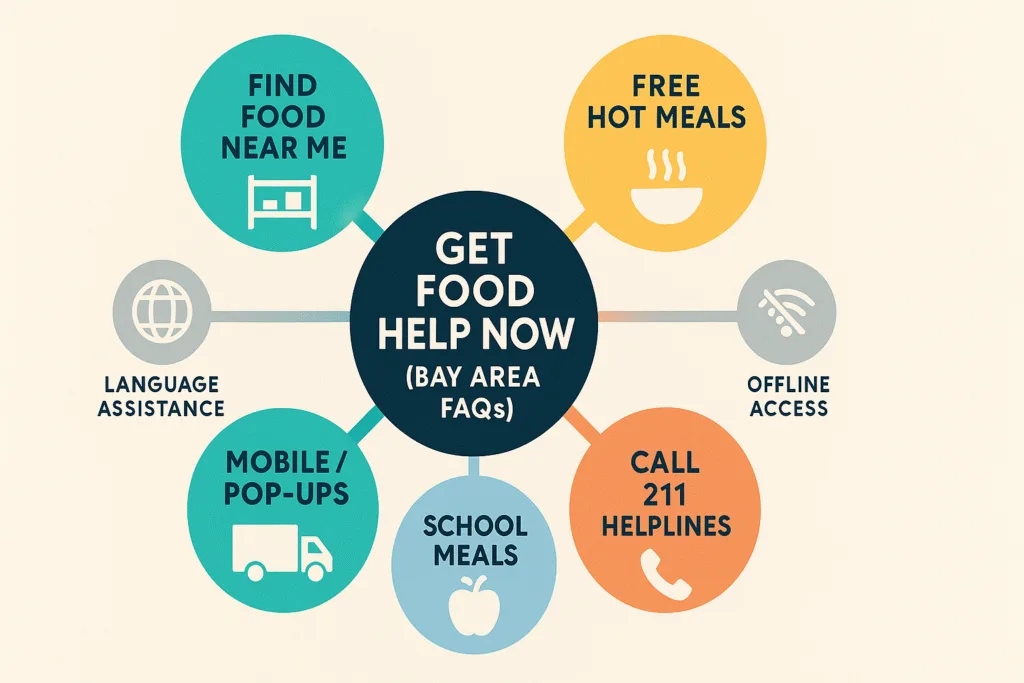
    Radial infographic titled Get Food Help Now showing connected circles for finding food, free meals, mobile pop-ups, school meals, and 211 helplines plus icons for language and offline access

    FAQs

    Where do I find food near me right now?

    Use your county’s one-click finder: SF/Marin map, Alameda FoodNow/Helpline, Contra Costa & Solano city lists. If offline, dial 211 Bay Area.

    Are there mobile or pop-up distributions I can use?

    Yes—SF/Marin pop-ups appear on the pantry map; Alameda mobile sites via FoodNow or Helpline; Contra Costa & Solano mobile/CPP stops are listed on each city page.

    What number do I call if I can’t get online?

    Dial **211** (multi-lingual). Alameda also supports texting your ZIP to **898211**; food bank helplines: Alameda **510-635-3663**, Contra Costa/Solano **855-309-3663**.

    Where can students get free school meals today?

    Go straight to menu/time pages: SFUSDOUSDWCCUSDMDUSDFSUSDVacaville USDBenicia USDVallejo USD

    Do these services offer language assistance?

    Yes—211 and county food bank helplines provide multi-lingual support; SF/Marin and many districts also offer translated resources on their pages.

    What if I don’t have internet access?

    Call 211 for live referrals, or Food Bank helplines: Alameda 510-635-3663; Contra Costa/Solano 855-309-3663.

    If Benefits Are Disrupted, You’re Not Alone—Here’s Your Next Step

    Tap your county’s pantry finder or dial 211 now. Then hit the hot meals links, community produce program or pop-ups, and your school district’s menus to bridge any gap today.

  • Pew Research Center

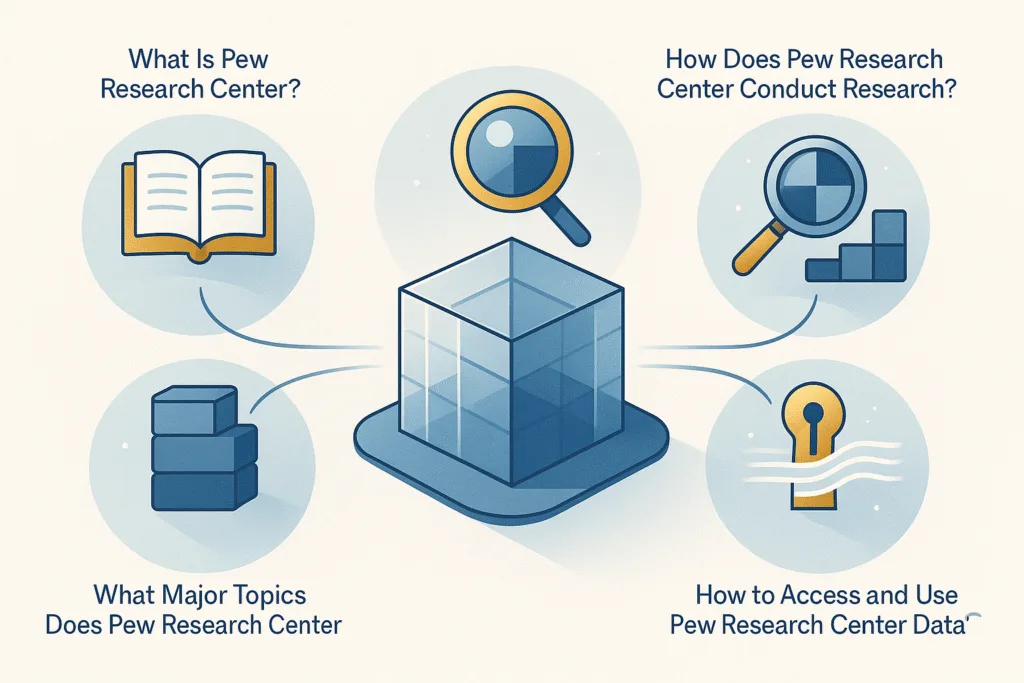
    Pew Research Center research methodology illustrated as transparent glass structure, abstract data shapes, and flowing streams, AVIF.

    The Ultimate Guide to Pew Research Center: Mission, Methods, Research, and Public Resources

    Pew Research Center guide illustrated as central research hub with four abstract icons for definition, methods, topics, and data access, AVIF.
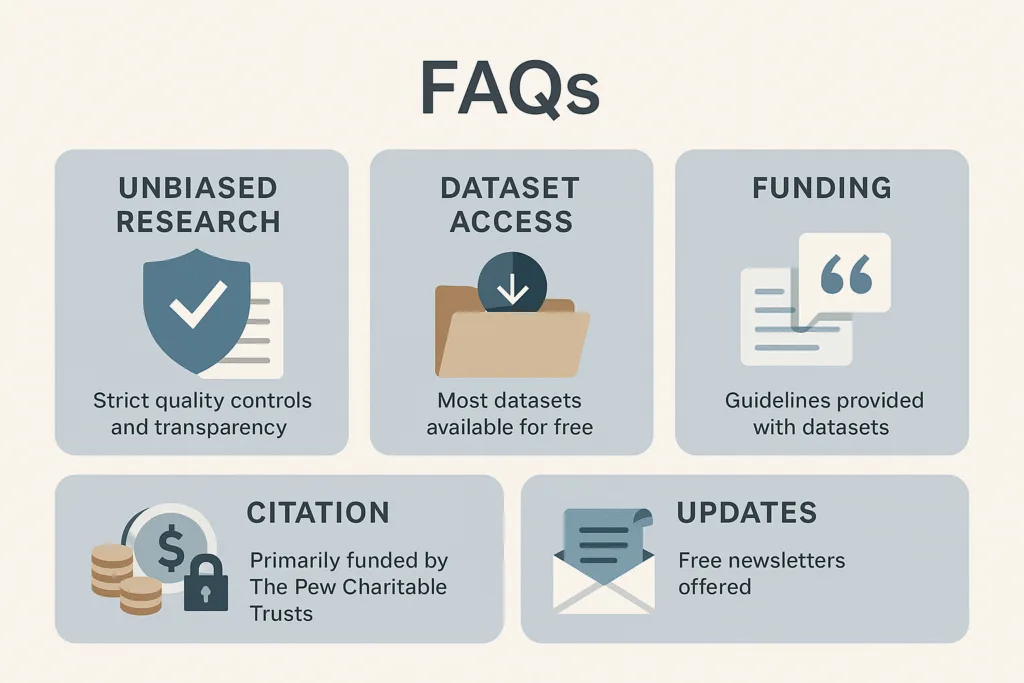
    Pew Research Center FAQ infographic with icons for unbiased research, dataset access, funding, citation, and updates, minimalist diagram.
    How does Pew Research Center guarantee unbiased results?

    Pew Research Center adheres to a nonpartisan approach, with strict quality controls and transparency at every research stage.

    Is it possible to access Pew’s original datasets?

    Yes, most datasets are freely available on Pew’s official website for academic and personal use.

    Who funds Pew Research Center?

    Pew Research Center is funded primarily by The Pew Charitable Trusts, maintaining independence from advocacy groups and partisan organizations.

    How do I cite Pew Research Center in a publication?

    Citation guidelines are provided with each dataset and report to ensure accuracy and credibility in referencing.

    Does Pew Research Center offer updates or newsletters?

    Yes, users can subscribe to free newsletters directly from the Pew Research Center website.

  • Natural Resources Defense Council

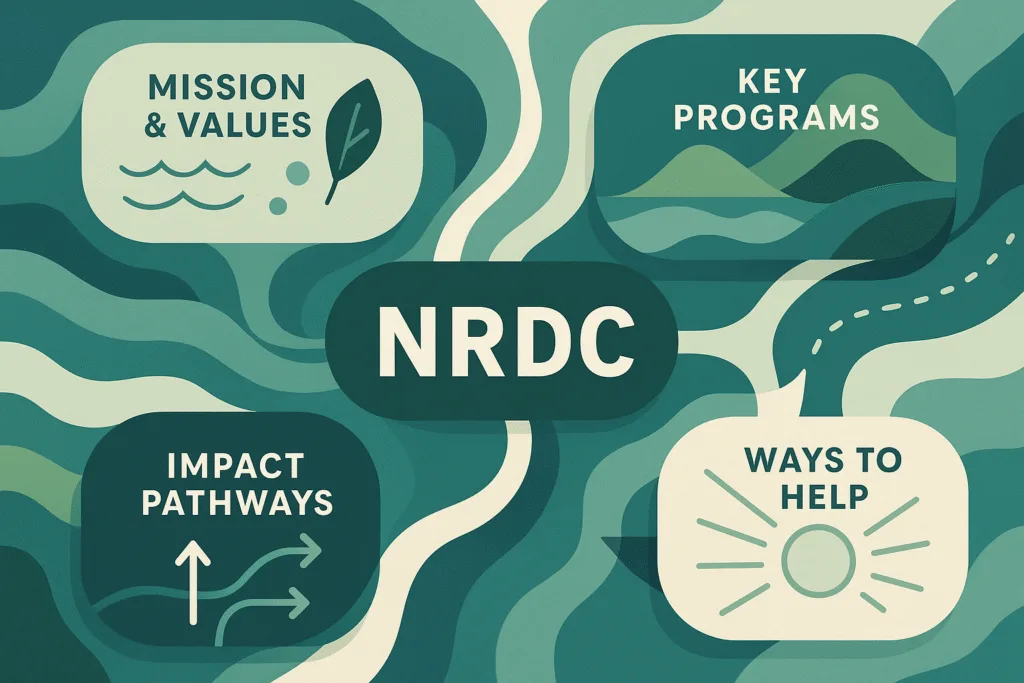
    NRDC guide abstract infographic showing four key zones: mission, programs, impact pathways, and ways to support, in green-blue organic map style, digital illustration.

    The Ultimate Guide to the Natural Resources Defense Council (NRDC): Mission, Impact & How You Can Help

    The Natural Resources Defense Council (NRDC) is a leading environmental advocacy organization committed to safeguarding the Earth’s natural systems and ensuring the rights of all people to clean air, water, and healthy communities.

    Founded in 1970, the NRDC has been at the forefront of environmental protection, combining the expertise of scientists, lawyers, and policy advocates with the power of more than three million members and online activists. Through rigorous science, policy advocacy, and legal action, the NRDC confronts pressing environmental issues, from climate change to wildlife conservation. This guide delves into the organization’s mission, key programs, methods of effecting change, and how individuals can contribute to its efforts.

    NRDC guide abstract infographic showing four key zones: mission, programs, impact pathways, and ways to support, in green-blue organic map style, digital illustration.

    Understanding the NRDC’s Role in Environmental Advocacy

    The NRDC operates through a multifaceted approach, addressing environmental challenges via legal action, scientific research, policy development, and public engagement. Its initiatives span various domains, including climate change, clean energy, and environmental justice.

    What Is the NRDC?

    The NRDC is a non-profit international environmental advocacy group headquartered in New York City, with offices across the United States and in Beijing, China. Established in 1970 by a group of law students and attorneys, the organization was the first national environmental advocacy group to focus on legal action. Its mission is to safeguard the Earth—its people, plants, animals, and natural systems. The NRDC combines the expertise of approximately 700 scientists, lawyers, and policy advocates to address environmental issues on a global scale.

    Key Environmental Programs

    The NRDC’s work encompasses a broad range of environmental programs:

    How NRDC Drives Change

    The NRDC employs a combination of strategies to effect environmental change:

    Ways to Support NRDC

    Individuals can contribute to the NRDC’s mission through various means:

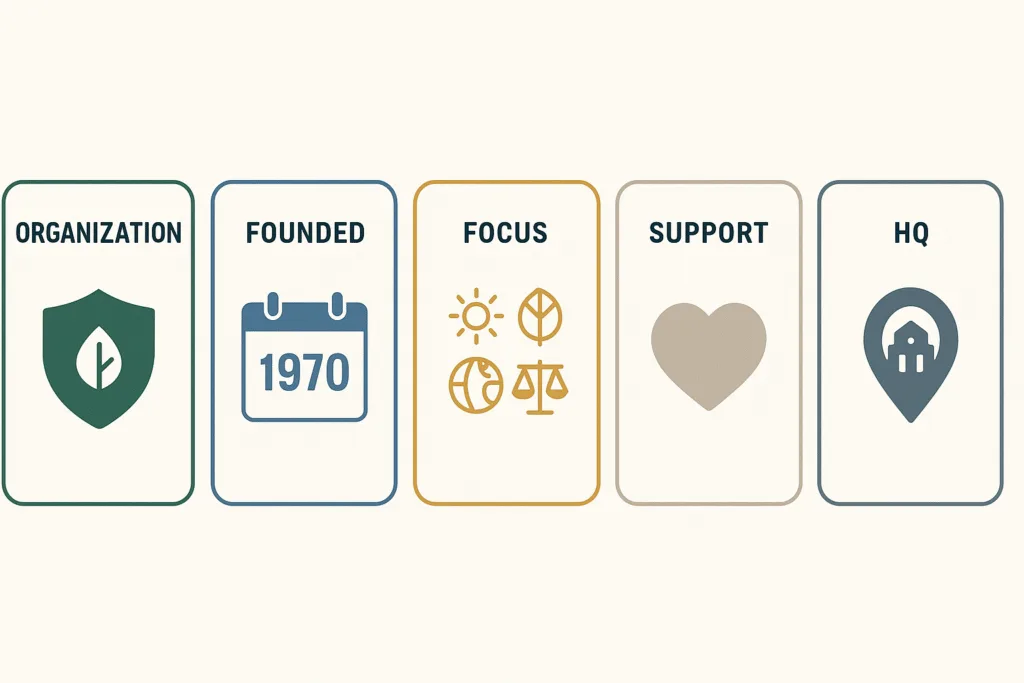
    Minimalist NRDC FAQ infographic with five rounded cards: organization, founding, focus, support, headquarters—each with an abstract icon, digital illustration.

    FAQs

    What does NRDC stand for?

    NRDC stands for the Natural Resources Defense Council, an environmental advocacy organization.

    When was the NRDC founded?

    The NRDC was established in 1970 by a group of attorneys and law students.

    What are NRDC’s main areas of focus?

    The organization focuses on climate change, clean energy, wildlife conservation, environmental justice, and international environmental collaboration.

    How can I support the NRDC?

    Support can be provided through donations, activism, membership, and volunteering.

    Where is the NRDC headquartered?

    The NRDC is headquartered in New York City, with additional offices across the U.S. and in Beijing.

    Empower Yourself: Take Action with NRDC’s Resources

    The NRDC offers a wealth of resources to help individuals make a tangible impact on environmental issues. Whether you’re looking to reduce food waste, improve home energy efficiency, or participate in policy advocacy, NRDC provides tools and guidance to support your efforts. Explore the resources below to find actionable steps you can take today.

    • Practical Ways You Can Spark Change
      Access a collection of toolkits and how-to guides designed to help you become an effective environmental advocate in your community.
    • Save the Food Campaign Resources
      Utilize NRDC’s open-source campaign materials to educate yourself and others on reducing household food waste.
    • Consumer Guide to the Inflation Reduction Act
      Learn how to take advantage of tax credits and rebates for energy-efficient home improvements and clean energy installations.
    • Join the NRDC Activist Network
      Sign up to receive updates and alerts on environmental issues, and discover ways to get involved in advocacy efforts.
    • Ways to Give
      Explore various options for supporting NRDC’s mission, including donations, gift memberships, and planned giving opportunities.