
Closer looks. Clearer signals.

Tag: Legal

Articles covering legal frameworks, landmark cases, and law-based strategies for creating social and environmental change.

ACLU Advocacy Analytical Writing Animal Legal Defense Fund Animal Rights ASPCA B Corp Big Picture Thinking Business and Money Charity Navigator Civil Liberties Community Focus Confirmation Bias Corporate Ethics Critical Thinking Environmental Advocacy Food Security For Advocates For Curious Readers For Donors For Professionals Health and Wellness How It Works LA Food Bank Legal National Women's Law Center Nature Conservancy Nonprofit Sector NRDC Pew Research Center Psychology Research and Data Science and Education SF Bay Area Food Banks Social Impact UNICEF USA Values Driven What Is What You Can Do Why It Matters

  • Why I Can’t Ignore the National Women’s Law Center Anymore

    Fair pay and care access concept illustration with justice symbols and protective forms
    Rights confusion concept image with maze paths and legal support signposts
    legal support and equity questions infographic with balance scale and abstract support symbols
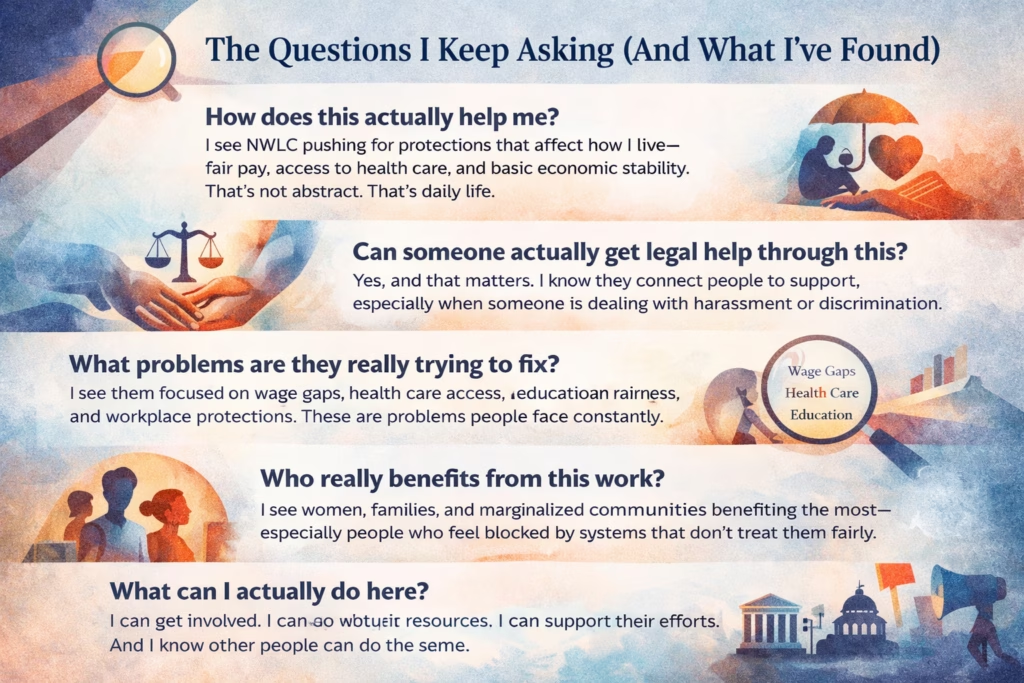
    How can NWLC help me when life feels unfair?

    I see NWLC helping by pushing for laws and protections that improve workplace fairness, health care access, and economic security. That matters because those issues shape how people actually live and cope every day.

    Can I get legal help through NWLC when I feel stuck?

    Yes. I see NWLC providing resources and connections, including initiatives that support people facing workplace harassment or discrimination. That kind of support can feel urgent when someone is overwhelmed and needs a real next step.

    What problems is NWLC really trying to stop?

    It addresses wage inequality, access to care, education fairness, and workplace protections. I see those as real problems that keep frustrating people and making daily life harder than it should be.

    Who feels the biggest impact from NWLC’s work?

    Women, families, and marginalized communities benefit the most from its efforts to remove systemic barriers and expand opportunity. I feel how important that is because those barriers can leave people tired, anxious, and shut out.

    How would I take action with NWLC?

    I can engage through advocacy campaigns, use its resources, or support its initiatives through its website. I like that because it gives people a way to do something real instead of just sitting with frustration.

    Is NWLC only doing legal work?

    No. I see NWLC combining legal action with policy advocacy and research to push broader systemic change. That matters to me because real change usually takes pressure from more than one direction.

  • Beginner’s Guide to Supporting the NRDC: Donations, Activism, and More

    Support NRDC, beautiful artful illustration of glowing earth, golden coins, flowing ribbons, leaves, dramatic light and shadow.
    Abstract hero image for NRDC beginner’s guide, flowing ribbons of green, blue, and gold evoking growth and unity, luminous digital painting.
  • How to Drive Environmental Change Using NRDC’s Four Core Advocacy Strategies

    Advocacy strategies artwork, abstract illustration with four luminous, interlocking forms for legal, science, policy, and engagement.
    Environmental change framework infographic, four connected abstract segments for legal, science, policy, and engagement, radiating from luminous center.
  • 5 Key NRDC Environmental Programs That Are Shaping a Greener Future

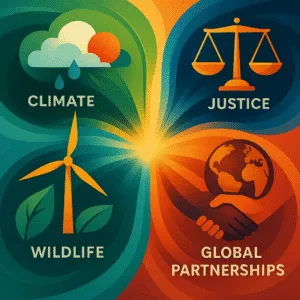
    Environmental programs infographic showing five pillars—climate, energy, wildlife, justice, partnerships—circular design, editorial illustration.
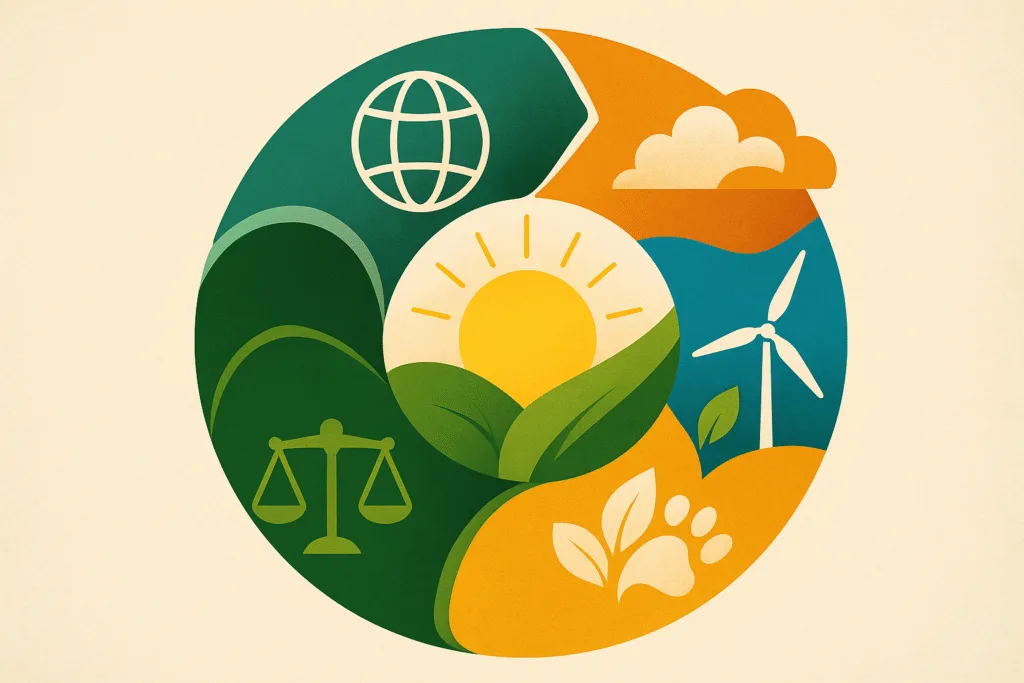
    Editorial illustration showing five abstract segments for NRDC programs: climate change, clean energy, wildlife, justice, international collaboration.
  • Introduction to the NRDC: A Legal and Scientific Force for the Environment

    Natural Resources Defense Council hero illustration showing stylized earth, abstract advocacy motifs, green and blue palette, digital painting.

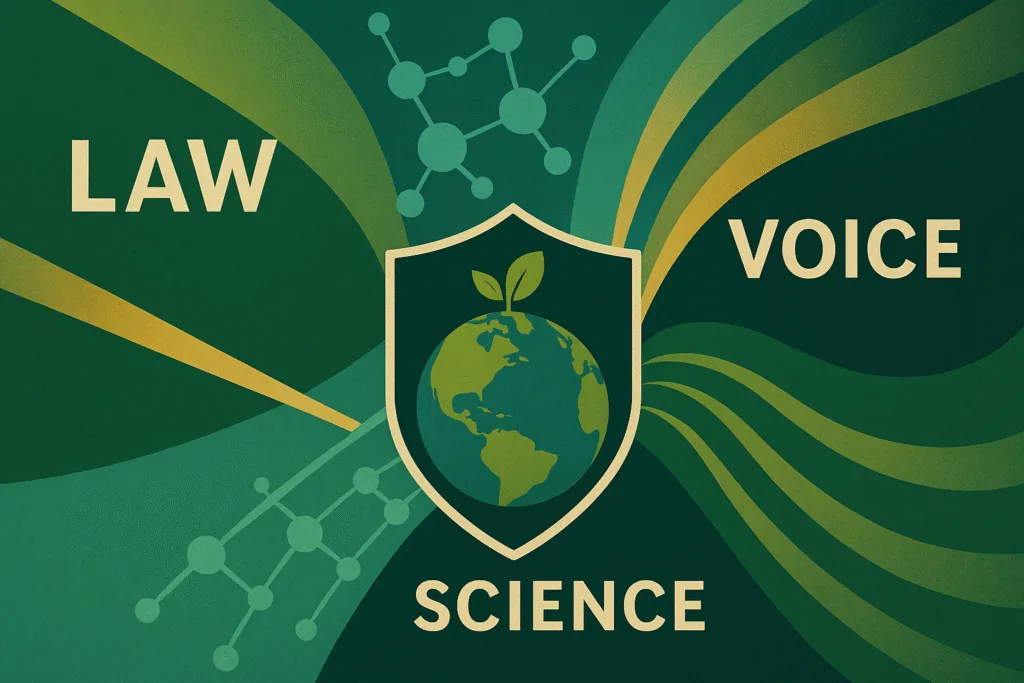
    The Natural Resources Defense Council (NRDC) is a pioneering nonprofit environmental advocacy organization founded in 1970. It was the first group to integrate environmental litigation into a broader strategy for planetary protection. The NRDC’s mission is to protect the Earth’s people and natural systems using the combined force of law, science, and the voices of its members. Combining legal force with scientific credibility, the NRDC has evolved into a major force for policy change, regulatory enforcement, and public education. Its global operations are headquartered in New York City, with additional offices in key environmental and political hubs.

    Why Understanding the NRDC Is Beneficial

    Understanding what the NRDC is—and how it operates—equips individuals, organizations, and policymakers to collaborate more effectively on environmental issues. For instance, knowing that the NRDC has been instrumental in shaping policies around clean air, climate reform, and toxic waste cleanup makes it easier to see how grassroots action can align with institutional power. Whether you’re a student, donor, advocate, or voter, this knowledge can guide smarter engagement with today’s climate challenges.

    NRDC infographic showing law, science, and voice as abstract streams converging on shielded earth; green, gold, and blue palette.

    Inside the NRDC: History, Mission, and Organizational Reach

    Mini Glossary – Key Terms Related to NRDC

    The NRDC’s Unique Approach: Law Meets Science for Global Impact

    The NRDC is more than a nonprofit—it’s a global legal and scientific institution committed to protecting the Earth’s ecosystems and communities. With over five decades of litigation, policy shaping, and scientific leadership, it remains a foundational pillar of the modern environmental movement. Knowing what the NRDC is means understanding one of the most powerful levers for climate and ecological progress.

    To explore the NRDC’s mission, history, and ongoing work in greater depth, visit their official About page.

  • How To Help Animals Using ALDF’s Free Legal Tools

    Animal advocacy hero illustration, hands releasing leafy branches and glowing symbols, cut-paper style, green and gold tones.

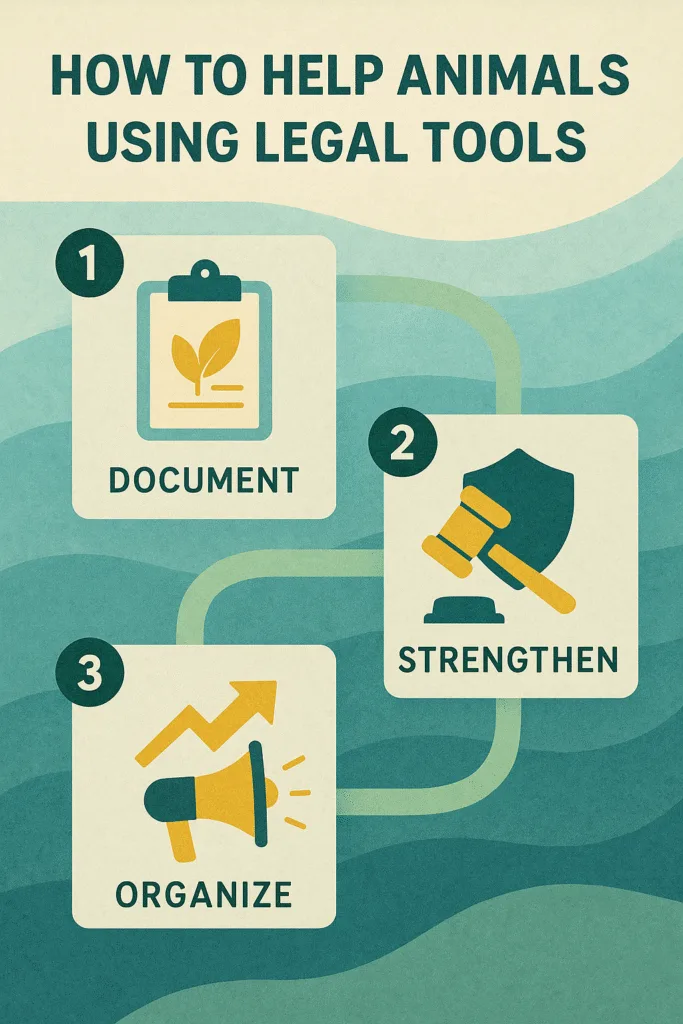
    You don’t need a law degree to fight for animal rights. The Animal Legal Defense Fund (ALDF) makes it easy for anyone—students, advocates, or everyday animal lovers—to make a legal impact. Their public resources empower people to report cruelty, push for stronger laws, and organize local action. This how-to guide shows you exactly how to use ALDF’s free tools to take meaningful steps for animals right now.

    Animal advocacy infographic showing three steps—document, strengthen, organize—using legal tools with abstract icons.

    1. Use ALDF’s Legislative Guides to Take Immediate Action

    You don’t need a background in law to speak up for animals. ALDF’s legislative advocacy tools help you contact lawmakers, build public support, and push for better animal protection laws. The “Working with Legislators” guide gives you sample scripts, tips for setting up meetings, and steps for giving public testimony. Whether you’re new to advocacy or already active, this guide helps you make your voice count.

    2. Report Animal Cruelty with Their Step-by-Step Legal Guides

    If you witness animal cruelty or suspect abuse, ALDF’s public reporting guides help you take the correct legal steps. These guides walk you through how to document evidence, contact law enforcement, and navigate local animal protection laws. Visit ALDF’s Reporting Cruelty Center to access guides tailored for different types of cruelty and local jurisdictions. This ensures your report is both impactful and legally sound.

    3. Subscribe to ALDF’s Action Alerts to Influence Laws

    By signing up for ALDF’s Action Alerts, you get notified when urgent legislative changes are happening—so you can voice your opinion before decisions are made. These alerts include links to send messages directly to lawmakers with just one click. You don’t need to be a policy expert—ALDF provides everything you need to advocate quickly and effectively.

    4. Organize Local Events with ALDF’s Student Chapter Project Kit

    Want to rally your community around animal protection? ALDF’s Student Chapter Project Kit offers ideas and resources for planning educational events, film screenings, and fundraisers. Whether you’re hosting a documentary night or a speaker panel, this kit provides guidance to make your event impactful.

    5. Donate or Join a Campaign to Multiply Your Impact

    If your time is limited, you can support ALDF by donating or by joining ongoing legal campaigns. These focus on key issues like factory farming, animal testing, and wildlife exploitation. Visit the ALDF Campaigns page to find an initiative that aligns with your values. Your contribution funds legal cases, public education, and policy change efforts that directly help animals.

    You Don’t Need to Be a Lawyer to Make a Legal Difference

    Special Offer

    Join ALDF’s ROAR (Remote Online Advocacy Representatives) program to become a social media ambassador for animal protection. As a ROAR member, you’ll receive weekly content to share, a digital badge, and exclusive perks like patches and event invitations. Top participants may also earn a free ALDF membership, including a subscription to The Animals’ Advocate newsletter. Sign up here: The ROAR Program – ALDF

  • Beginner’s Guide to Starting a Career in Animal Law

    Animal law career, abstract courthouse pillars and justice scales, conceptual illustration, cool blue-green palette, AVIF.

    Animal law is a specialized legal field that focuses on the rights and welfare of animals. It includes cases involving cruelty, neglect, environmental issues, and animals used in entertainment or agriculture.

    This area of law is growing fast—and it’s one of the few legal paths where your work directly benefits voiceless victims. Whether you’re a student, recent graduate, or professional pivoting your career, animal law offers a meaningful way to apply legal skills for real-world impact. The Animal Legal Defense Fund (ALDF) is a leading organization helping future lawyers join this field and become change-makers for animals.

    In this guide, you’ll learn what animal law is, how to get started in the field, and the concrete steps you can take through the ALDF. From law school resources and externships to fellowships and student chapters, we’ll cover all the tools available for aspiring animal lawyers.

    Beginner’s guide to animal law, open book, courthouse pillars, and justice scales with leaf on curved path, soft colors, AVIF.

    How to Begin Your Journey in Animal Law with the ALDF

    Imagine graduating from law school and immediately joining a national nonprofit where your job is to fight factory farms in court or help prosecutors bring justice in animal cruelty cases. That’s the kind of opportunity ALDF creates through its fellowships and legal programs. Students can join ALDF student chapters, work on real cases as externs, or even receive grants to pursue animal protection litigation. For example, many law students get their start through ALDF’s Student Chapter Program, which currently supports chapters in over 200 law schools. These chapters host events, invite guest speakers, and organize advocacy campaigns that let you learn by doing. Others gain experience through ALDF’s Animal Law Externship Program, where students work directly on cases that impact national policy.

    The legal world often feels vast and impersonal, but animal law connects deeply with ethics, advocacy, and public interest. It’s a place where your legal writing might help win a case that changes state law or where your research can stop a puppy mill from reopening. ALDF’s programs are designed to bring aspiring professionals into the fold with practical training, mentorship, and a built-in network of advocates.

    Getting involved early can also shape your future job prospects. ALDF fellowships, offered to select law graduates, place you in key roles where you gain real-world litigation or policy experience right out of school—experience that can launch your public interest career or help you transition to nonprofit or government roles.

    Here are the best ways to get involved in animal law through ALDF:

    Make Your Legal Career Count—Start with Animal Law

  • 10 Big Legal Wins by ALDF

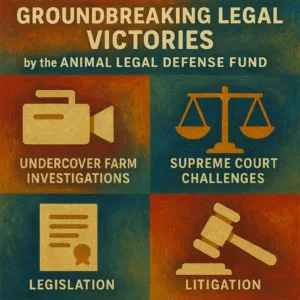
    Animal Legal Defense Fund landmark victories abstract painting, scales of justice, animal silhouettes, digital editorial illustration.

    Table of Contents

    Infographic showing four types of Animal Legal Defense Fund victories—investigations, Supreme Court, legislation, litigation—illustrated with icons, oil-paint style.

    1. Defending Animals in Factory Farms

    ALDF has repeatedly challenged factory farms for animal cruelty and environmental violations. One of its key victories includes representing whistleblowers and undercover investigators who exposed horrific conditions in livestock facilities. These legal efforts have led to fines, closures, and industry scrutiny, reinforcing the idea that cruelty in agriculture can and should be prosecuted like any other abuse.

    Example: At Hudson Valley Foie Gras, ALDF backed legal efforts that helped strengthen whistleblower protections and contributed to California’s foie gras sales ban—reinforcing the role of investigations in farm animal advocacy.

    2. Shutting Down Puppy Mills

    Puppy mills often operate in legal gray areas. ALDF has sued some of the most abusive commercial breeders and helped enforce stronger animal welfare laws in several states. Their litigation often combines animal protection with consumer fraud claims to challenge deceptive business practices.

    Example: ALDF played a critical role in supporting legislation that banned the sale of puppy mill animals in pet stores across jurisdictions in California, New York, and beyond.

    3. Prosecuting Dogfighting Rings

    Dogfighting is not only brutal but often linked to other crimes. ALDF has provided legal support in dismantling dogfighting rings and aiding in the successful prosecution of perpetrators. Their litigation and amicus briefs have been key in affirming harsher sentencing.

    Example: In the landmark United States v. Stevens case, ALDF contributed to federal law arguments upholding bans on depictions of animal cruelty, which include dogfighting videos—protecting both animals and the public interest.

    4. Protecting Endangered Wildlife

    ALDF has fought to protect wolves, grizzly bears, and wild animals in roadside zoos. By using environmental laws like the Endangered Species Act (ESA) alongside animal cruelty statutes, they’ve secured safer habitats and removed animals from abusive conditions.

    Example: ALDF helped shut down Cricket Hollow Zoo in Iowa after years of animal mistreatment, winning in court to relocate animals to sanctuaries and establish stronger precedent for future wildlife cases.

    5. Winning the Nation’s First Animal Abuse Registry

    Just as sex offender registries exist to track offenders, ALDF pushed for the first-ever animal abuser registry. These legal efforts are intended to prevent repeat offenders from accessing vulnerable animals and to aid law enforcement in cruelty cases.

    Example: ALDF supported efforts in Tennessee, which became the first state to implement such a registry, paving the way for other states to follow.

    6. Holding Abusers Financially Accountable

    One major barrier to prosecution is the cost of caring for seized animals. ALDF pioneered the use of pre-conviction cost-of-care laws to shift financial responsibility from shelters to abusers—ensuring animals can be rescued without bankrupting humane societies.

    Example: In cruelty cases involving hoarders or neglectful breeders, ALDF has helped enforce these laws to secure thousands in care reimbursement, strengthening rescue logistics across the country.

    7. Blocking Ag-Gag Laws

    Ag-gag laws criminalize undercover filming on farms. ALDF has successfully challenged these laws in court, defending investigative journalism and animal transparency. Their legal victories have protected the First Amendment and the public’s right to know about food production practices.

    Example: ALDF struck down ag-gag laws in Utah and Iowa, where courts found the laws unconstitutional—setting legal precedent nationwide and keeping investigations legal.

    8. Securing Legal Standing for Animals

    One of ALDF’s most important missions is establishing that animals can be represented in court. While animals still don’t have full legal personhood, ALDF has secured rulings that allow advocates to sue on animals’ behalf—an essential legal strategy for advancing rights.

    Example: In a key case involving neglected horses, the court allowed ALDF to intervene as a plaintiff, reinforcing that organizations can represent animal interests in civil court.

    9. Supporting Prosecutors in Cruelty Cases

    ALDF doesn’t just file lawsuits—they assist district attorneys nationwide. Through their Criminal Justice Program, they offer training, research, and amicus briefs that strengthen cruelty prosecutions.

    Example: ALDF’s legal support has helped boost conviction rates in animal cruelty cases, especially in jurisdictions with limited resources or experience in these prosecutions.

    10. Fighting for Animals in Federal Court

    Some of ALDF’s most powerful wins happen at the federal level. From challenging USDA rules to advocating for animals used in research, ALDF shapes policy and precedent through high-stakes litigation.

    Example: ALDF sued the USDA for failing to protect animals under the Animal Welfare Act and won a ruling that forced the agency to release inspection records—strengthening transparency and regulatory enforcement.

    ALDF’s courtroom victories aren’t just symbolic—they change laws, shift public perception, and make the world safer for animals. If you’re passionate about animal protection, studying these legal wins shows the power of the law when wielded for good.

    Want to support these kinds of wins? Donate, join ALDF’s action campaigns, or explore a legal career that defends the defenseless. Every step counts.

  • What Does the Animal Legal Defense Fund Do

    Legal advocacy for animals illustration, scales of justice with leaves and abstract paw print, courtroom setting, painting-style AVIF.

    Understanding ALDF’s Unique Role in Animal Protection

    Why Knowing the ALDF’s Legal Focus Matters

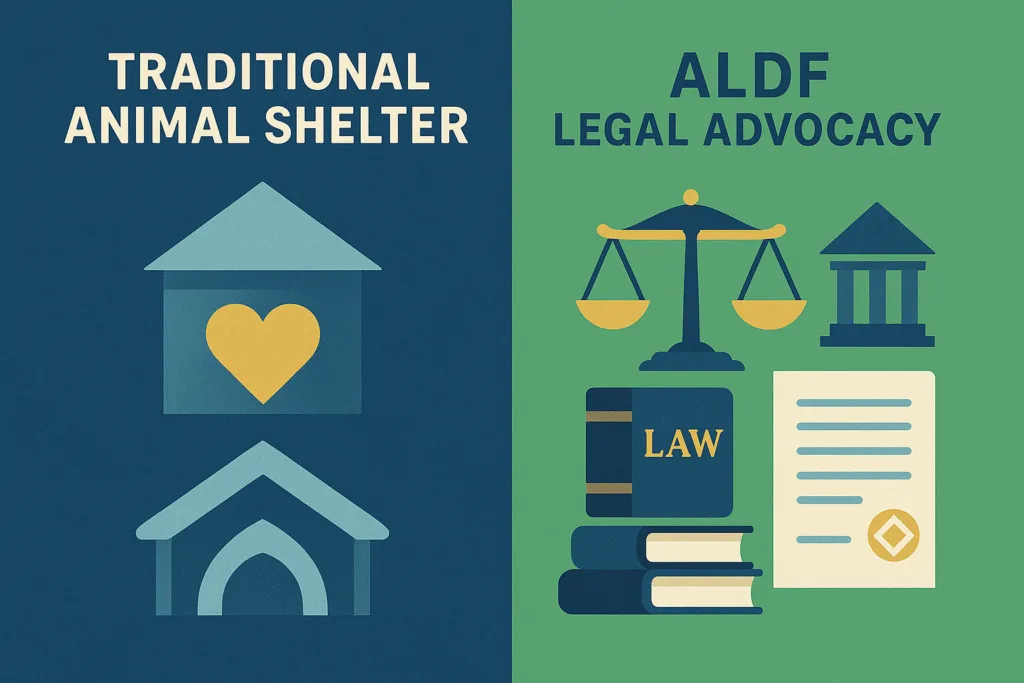
    Comparison infographic showing traditional animal shelter icons versus ALDF legal advocacy symbols, deep blue and green, AVIF.

    What Makes ALDF’s Approach to Animal Protection Different?

    ALDF Uses the Law to Speak for Animals

  • Natural Resources Defense Council

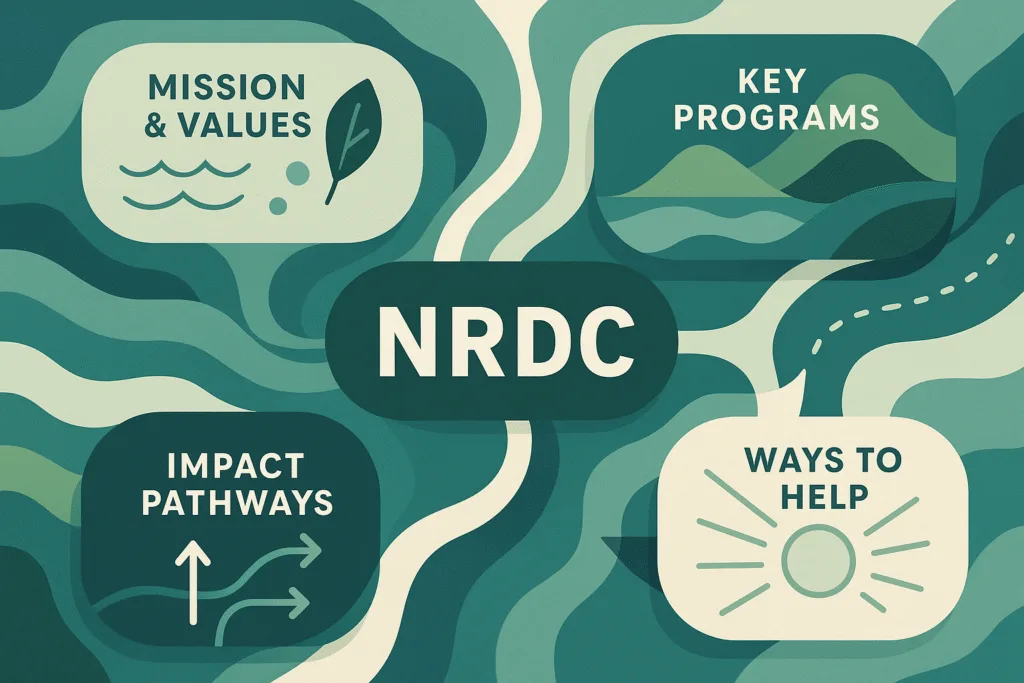
    NRDC guide abstract infographic showing four key zones: mission, programs, impact pathways, and ways to support, in green-blue organic map style, digital illustration.

    The Ultimate Guide to the Natural Resources Defense Council (NRDC): Mission, Impact & How You Can Help

    The Natural Resources Defense Council (NRDC) is a leading environmental advocacy organization committed to safeguarding the Earth’s natural systems and ensuring the rights of all people to clean air, water, and healthy communities.

    Founded in 1970, the NRDC has been at the forefront of environmental protection, combining the expertise of scientists, lawyers, and policy advocates with the power of more than three million members and online activists. Through rigorous science, policy advocacy, and legal action, the NRDC confronts pressing environmental issues, from climate change to wildlife conservation. This guide delves into the organization’s mission, key programs, methods of effecting change, and how individuals can contribute to its efforts.

    NRDC guide abstract infographic showing four key zones: mission, programs, impact pathways, and ways to support, in green-blue organic map style, digital illustration.

    Understanding the NRDC’s Role in Environmental Advocacy

    The NRDC operates through a multifaceted approach, addressing environmental challenges via legal action, scientific research, policy development, and public engagement. Its initiatives span various domains, including climate change, clean energy, and environmental justice.

    What Is the NRDC?

    The NRDC is a non-profit international environmental advocacy group headquartered in New York City, with offices across the United States and in Beijing, China. Established in 1970 by a group of law students and attorneys, the organization was the first national environmental advocacy group to focus on legal action. Its mission is to safeguard the Earth—its people, plants, animals, and natural systems. The NRDC combines the expertise of approximately 700 scientists, lawyers, and policy advocates to address environmental issues on a global scale.

    Key Environmental Programs

    The NRDC’s work encompasses a broad range of environmental programs:

    How NRDC Drives Change

    The NRDC employs a combination of strategies to effect environmental change:

    Ways to Support NRDC

    Individuals can contribute to the NRDC’s mission through various means:

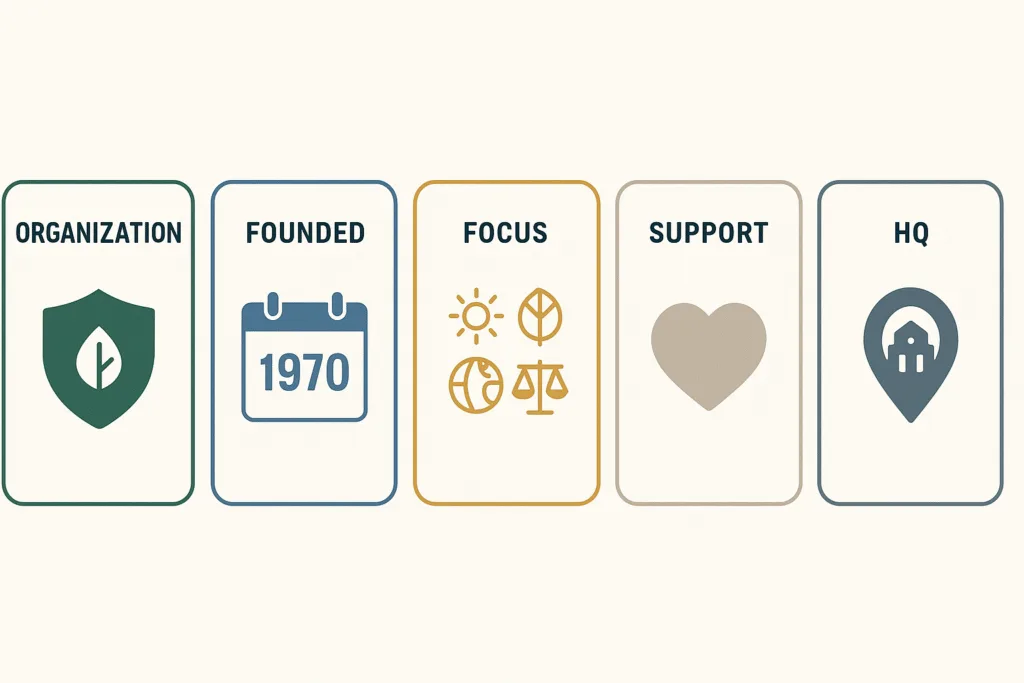
    Minimalist NRDC FAQ infographic with five rounded cards: organization, founding, focus, support, headquarters—each with an abstract icon, digital illustration.

    FAQs

    What does NRDC stand for?

    NRDC stands for the Natural Resources Defense Council, an environmental advocacy organization.

    When was the NRDC founded?

    The NRDC was established in 1970 by a group of attorneys and law students.

    What are NRDC’s main areas of focus?

    The organization focuses on climate change, clean energy, wildlife conservation, environmental justice, and international environmental collaboration.

    How can I support the NRDC?

    Support can be provided through donations, activism, membership, and volunteering.

    Where is the NRDC headquartered?

    The NRDC is headquartered in New York City, with additional offices across the U.S. and in Beijing.

    Empower Yourself: Take Action with NRDC’s Resources

    The NRDC offers a wealth of resources to help individuals make a tangible impact on environmental issues. Whether you’re looking to reduce food waste, improve home energy efficiency, or participate in policy advocacy, NRDC provides tools and guidance to support your efforts. Explore the resources below to find actionable steps you can take today.

    • Practical Ways You Can Spark Change
      Access a collection of toolkits and how-to guides designed to help you become an effective environmental advocate in your community.
    • Save the Food Campaign Resources
      Utilize NRDC’s open-source campaign materials to educate yourself and others on reducing household food waste.
    • Consumer Guide to the Inflation Reduction Act
      Learn how to take advantage of tax credits and rebates for energy-efficient home improvements and clean energy installations.
    • Join the NRDC Activist Network
      Sign up to receive updates and alerts on environmental issues, and discover ways to get involved in advocacy efforts.
    • Ways to Give
      Explore various options for supporting NRDC’s mission, including donations, gift memberships, and planned giving opportunities.