
Closer looks. Clearer signals.

Tag: What You Can Do

Articles oriented toward action and engagement — giving readers concrete next steps. Optimized for ‘how can I help with X’ and ‘what can I do about X’ queries.

ACLU Advocacy Analytical Writing Animal Legal Defense Fund Animal Rights ASPCA B Corp Big Picture Thinking Business and Money Charity Navigator Civil Liberties Community Focus Confirmation Bias Corporate Ethics Critical Thinking Environmental Advocacy Food Security For Advocates For Curious Readers For Donors For Professionals Health and Wellness How It Works LA Food Bank Legal National Women's Law Center Nature Conservancy Nonprofit Sector NRDC Pew Research Center Psychology Research and Data Science and Education SF Bay Area Food Banks Social Impact UNICEF USA Values Driven What Is What You Can Do Why It Matters

  • Why I Can’t Ignore the National Women’s Law Center Anymore

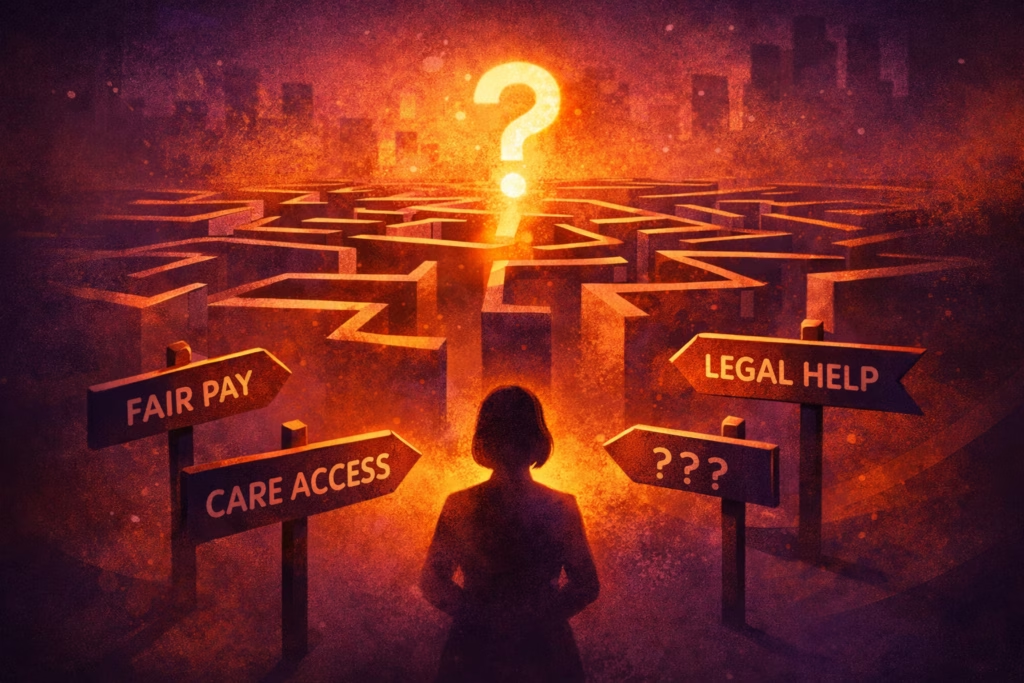
    Fair pay and care access concept illustration with justice symbols and protective forms
    Rights confusion concept image with maze paths and legal support signposts
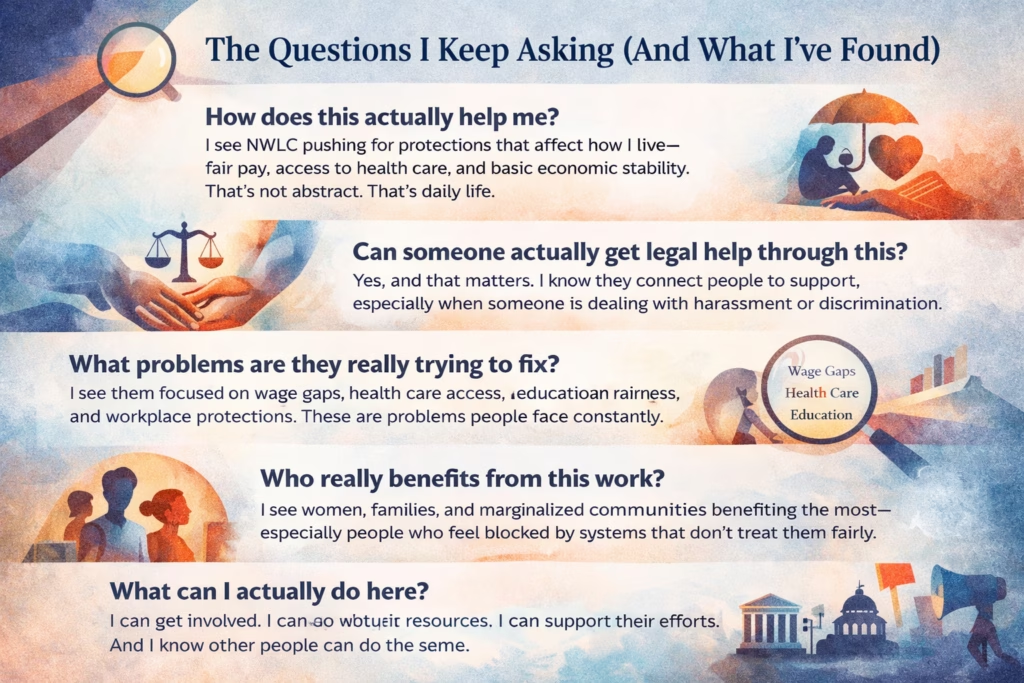
    legal support and equity questions infographic with balance scale and abstract support symbols
    How can NWLC help me when life feels unfair?

    I see NWLC helping by pushing for laws and protections that improve workplace fairness, health care access, and economic security. That matters because those issues shape how people actually live and cope every day.

    Can I get legal help through NWLC when I feel stuck?

    Yes. I see NWLC providing resources and connections, including initiatives that support people facing workplace harassment or discrimination. That kind of support can feel urgent when someone is overwhelmed and needs a real next step.

    What problems is NWLC really trying to stop?

    It addresses wage inequality, access to care, education fairness, and workplace protections. I see those as real problems that keep frustrating people and making daily life harder than it should be.

    Who feels the biggest impact from NWLC’s work?

    Women, families, and marginalized communities benefit the most from its efforts to remove systemic barriers and expand opportunity. I feel how important that is because those barriers can leave people tired, anxious, and shut out.

    How would I take action with NWLC?

    I can engage through advocacy campaigns, use its resources, or support its initiatives through its website. I like that because it gives people a way to do something real instead of just sitting with frustration.

    Is NWLC only doing legal work?

    No. I see NWLC combining legal action with policy advocacy and research to push broader systemic change. That matters to me because real change usually takes pressure from more than one direction.

  • Why My Mind Clings to Beliefs (Confirmation Bias)

    Confirmation bias illustration with layered inner perception tunnel, fractured belief patterns, and intense warm emotional tones

    I feel this happening inside my own mind and it honestly unsettles me. I notice how strongly I grab onto information that supports what I already believe while pushing away anything that contradicts it. That pull is confirmation bias. My conscious awareness processes only a tiny slice of everything around me, and that fact makes me uneasy. My beliefs step in and start filtering reality for me. They decide what feels true, what feels important, and what I barely notice. When I face that directly, I feel a mix of tension and frustration because it means my sense of reality is already shaped before I think I am choosing it.

    1. What confirmation bias is and how it filters perception.
    2. Why belief challenges feel threatening or painful.
    3. Where confirmation bias shows up in daily life.
    4. How technology and AI reinforce belief loops.

    When I really pay attention to confirmation bias, I feel how deeply it runs beneath awareness. It shapes what I notice, how I interpret events, and what I remember later. When someone challenges a belief I hold, my reaction often hits first. I feel anxious. I feel defensive. Sometimes irritated. My nervous system reacts before careful reasoning even begins. That tension pushes people, including me, to defend beliefs instead of reconsidering them. Repeated confirmation slowly turns belief into lived experience. It begins to feel like obvious reality. What troubles me more is how technology and AI intensify these loops. Systems keep feeding people information that aligns with what they already believe, and many people never realize how strongly their beliefs shape what they see.

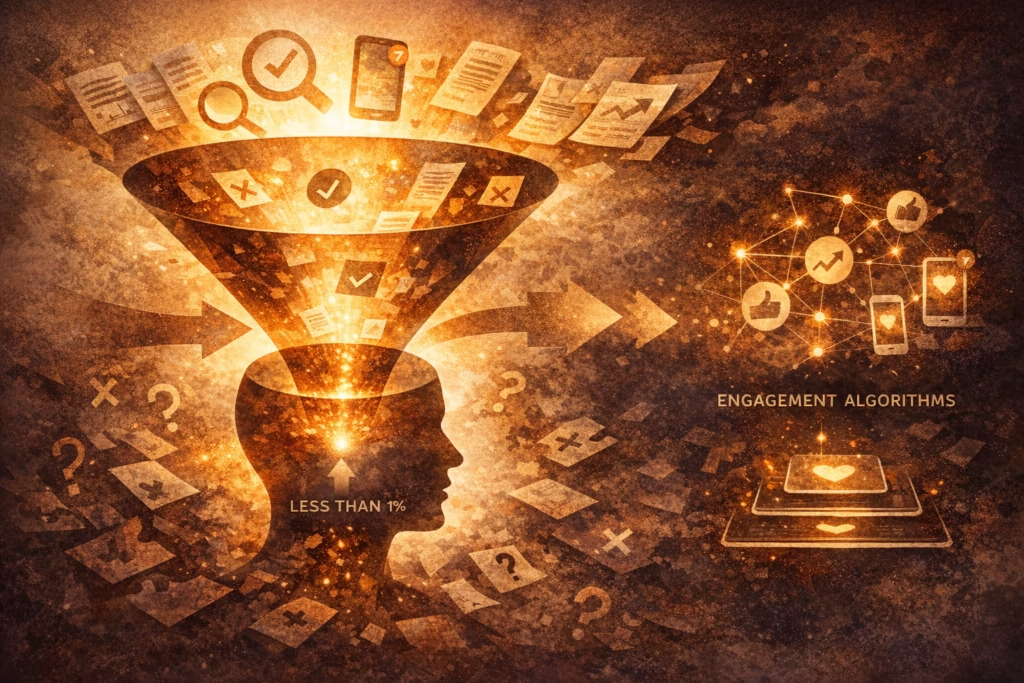
    Confirmation bias illustration showing an intense inner mental filter pulling attention toward belief-confirming information

    How Confirmation Bias Builds a Convincing Personal Reality

    When I step back and look closely, confirmation bias becomes impossible for me to ignore. I see how it forms inside human thinking, why disagreement can feel personal and upsetting, where it appears across everyday life, and how digital systems amplify it. Each piece leaves me uneasy because beliefs do not simply interpret reality. They help construct what people experience as reality.

    Why My Mind Clings to Beliefs and Filters What I See

    Confirmation bias is the tendency to seek, interpret, and remember information that supports existing beliefs. My brain processes enormous streams of information every second, yet less than one percent reaches conscious awareness. That reality makes me uncomfortable because it means most perception never reaches deliberate thought. My mind filters experience through expectations, past experience, and emotional relevance. Once a belief forms, confirming details jump out immediately. Conflicting evidence fades away. I can feel how easily that creates a reinforcing loop that strengthens belief even when other people see something completely different.

    5 Reasons I Feel Threatened When Someone Challenges My Beliefs

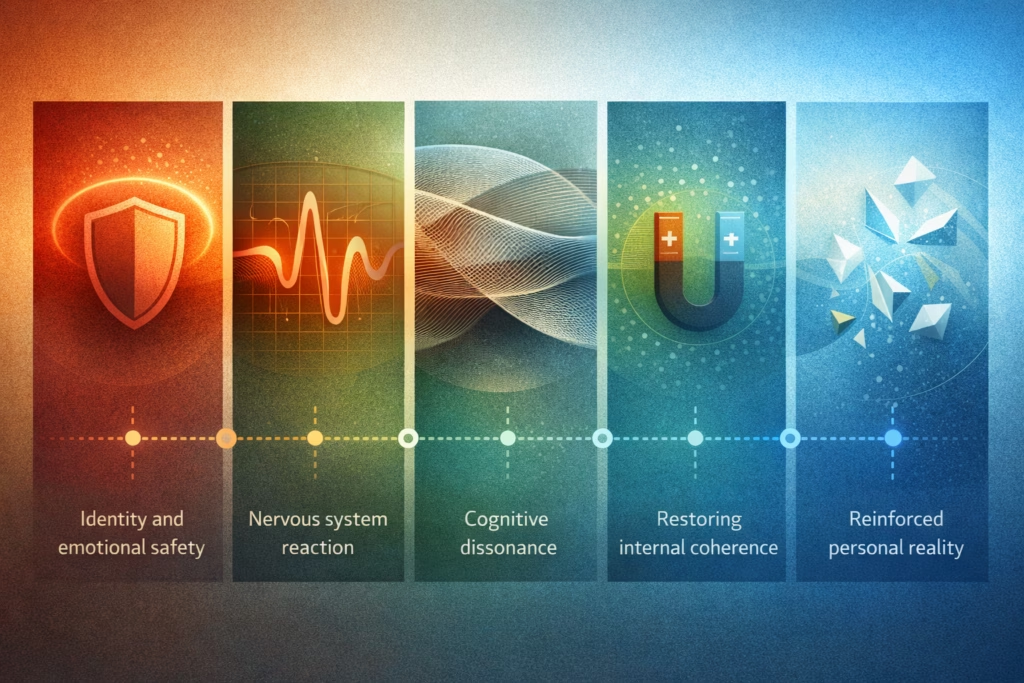
    When beliefs connect with identity or emotional safety, disagreement stops feeling neutral. I feel tension quickly.

    1. I feel immediate discomfort when someone questions a belief that feels tied to who I am
    2. .My nervous system reacts quickly and I feel anxious or defensive before reasoning begins.
    3. Cognitive dissonance creates real mental stress that I want to escape.
    4. I notice how people defend beliefs just to restore internal stability.
    5. In those moments protecting inner coherence can feel more urgent than accepting conflicting evidence.

    How I Catch Confirmation Bias Showing Up in My Relationships, Health Decisions, Work, and Online Feeds

    When I start watching closely, I see confirmation bias everywhere people interact.

    In relationships, expectations shape what I notice about other people. If I expect kindness or conflict, my attention locks onto moments that confirm that expectation.

    In health and work decisions, early impressions narrow what evidence feels believable to me. I feel how strongly my mind prefers information that supports my first conclusion.

    Online feeds amplify this pattern even more. Platforms show people content aligned with existing views again and again. After repeated exposure it starts to feel like shared consensus rather than filtered information. That realization frustrates me because many people never see how narrow that loop becomes.

    How I See My Own Beliefs Reflected Back Through Technology and AI

    When I look closely at technology, I see confirmation bias operating inside digital systems. Recommendation systems learn user preferences and keep presenting similar content repeatedly. Exposure slowly narrows while users often feel nothing unusual.

    AI systems can also encode human assumptions through training data and optimization goals. Those assumptions then echo back through automated outputs and recommendations.

    What unsettles me most is how neutral that experience feels. When digital systems mirror beliefs back to users, reinforcement appears objective. Yet those signals often reflect human assumptions already embedded in data and engagement patterns.

    Confirmation bias FAQ illustration showing information filtered through attention, belief, awareness, and algorithmic reinforcement

    FAQs

    Why do I cling to beliefs even when evidence challenges them?

    I feel my mind grabbing onto information that supports what I already believe and resisting anything that contradicts it. I notice how quickly I defend my beliefs when something threatens them. That pull is confirmation bias, and it frustrates me because I can feel how strongly my mind wants confirmation instead of contradiction.

    Why do I only notice information that supports what I already think?

    I catch myself locking onto details that match what I expect to see. My attention pulls those pieces forward while conflicting information fades before I fully confront it. I feel my perception bending toward what already feels true, and that realization honestly makes me uneasy.

    Why does it feel so uncomfortable when someone challenges my beliefs?

    When someone questions a belief that feels tied to who I am, I feel tension immediately. My body tightens and I feel anxious or defensive before logic even shows up. That reaction hits hard because the belief feels connected to identity or emotional safety.

    Why does my mind filter so much of what is happening around me?

    When I realize that less than one percent of processed information reaches conscious awareness, I feel unsettled. My brain filters almost everything before I even notice it, and that makes me feel how much of my perception is shaped automatically.

    Why do algorithms keep showing me things that match what I already believe?

    I see how engagement-based systems repeatedly push content aligned with existing user preferences. The same viewpoints keep appearing again and again, and people can start feeling like their beliefs are constantly confirmed.

    When I Finally See How My Mind Filters Reality

    When I understand confirmation bias, I feel a moment of pause before reacting automatically. I question interpretations that instantly feel true. That pause matters to me. When I recognize how beliefs filter perception, I create space for more deliberate awareness and more careful decisions.

  • 5 Ways Confirmation Bias Makes Disagreement Feel Like Threat

    Confirmation bias abstract: cracked sphere in warm tension wrapped by a loop, opening into a cool doorway of clarity.
    Confirmation bias infographic with five abstract panels showing safety activation, nervous system surge, dissonance, coherence defense, and reinforced recall
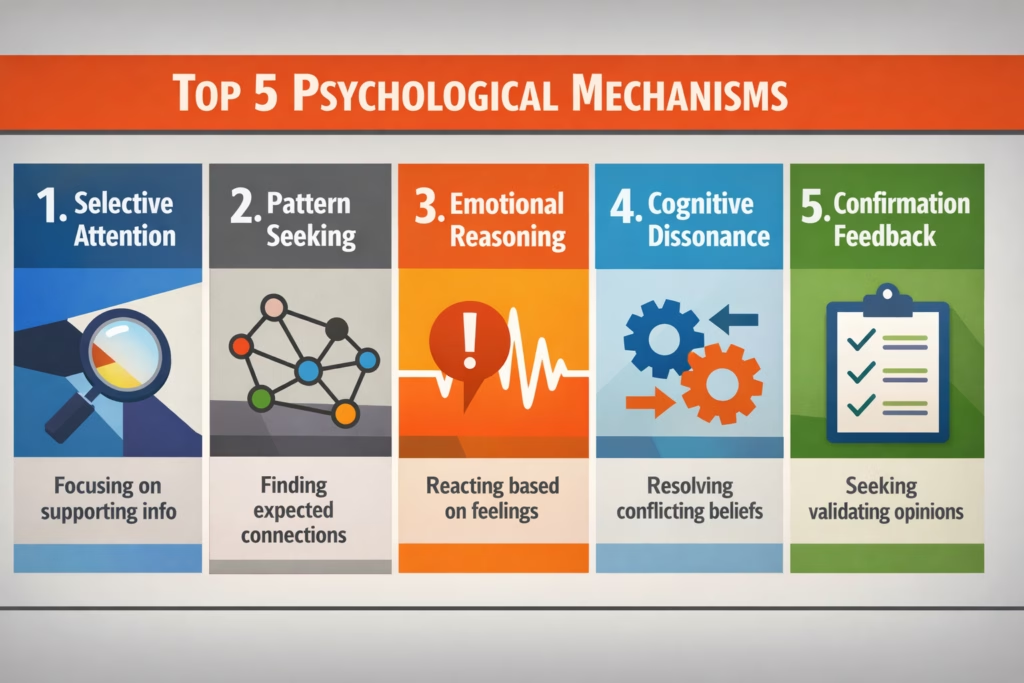
  • 5 Psychological Mechanisms Underlying Threat Responses Associated with Confirmation Bias

    Top 5 psychological mechanisms infographic showing threat responses linked to confirmation bias and structured disagreement reactions
    Structured diagram of five psychological mechanisms underlying threat responses and confirmation bias in analytical sequence layout
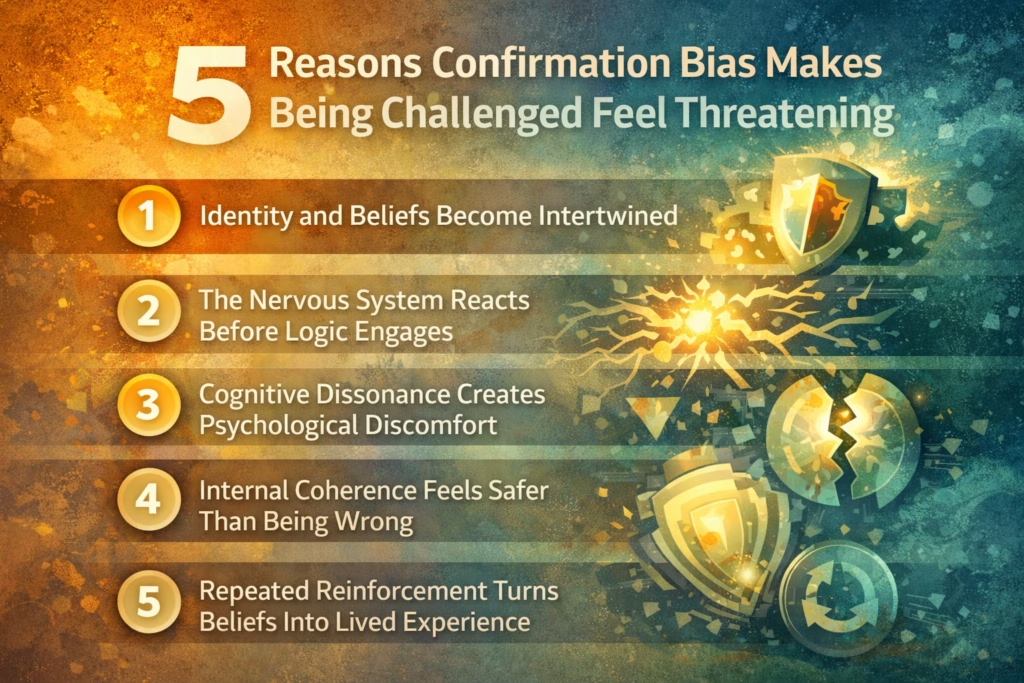
  • 5 Reasons Confirmation Bias Makes Being Challenged Feel Threatening

    confirmation bias illustration of glowing brain with shield-like belief filters and activated nervous system pathways
    Top 5 reasons confirmation bias makes being challenged feel threatening infographic with numbered sections and abstract cognitive icons
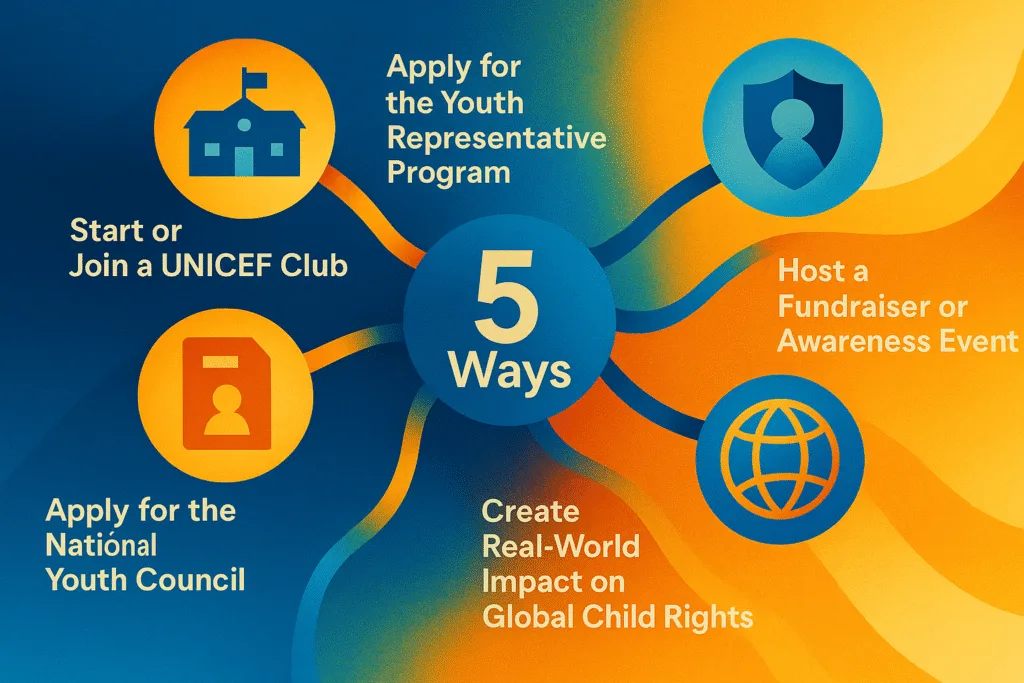
  • 5 Ways UNICEF USA Empowers Youth Leaders to Drive Global Change

    Youth leadership UNICEF USA abstract illustration with globe, arrows, plant, megaphone icons and flowing lines, dramatic light and shadows.
    UNICEF youth leadership infographic, five pathways with icons for clubs, programs, council, events, and global impact, bold colors, radiant light.
  • 10 Free Nature Lab Tools from The Nature Conservancy Every Educator Should Know

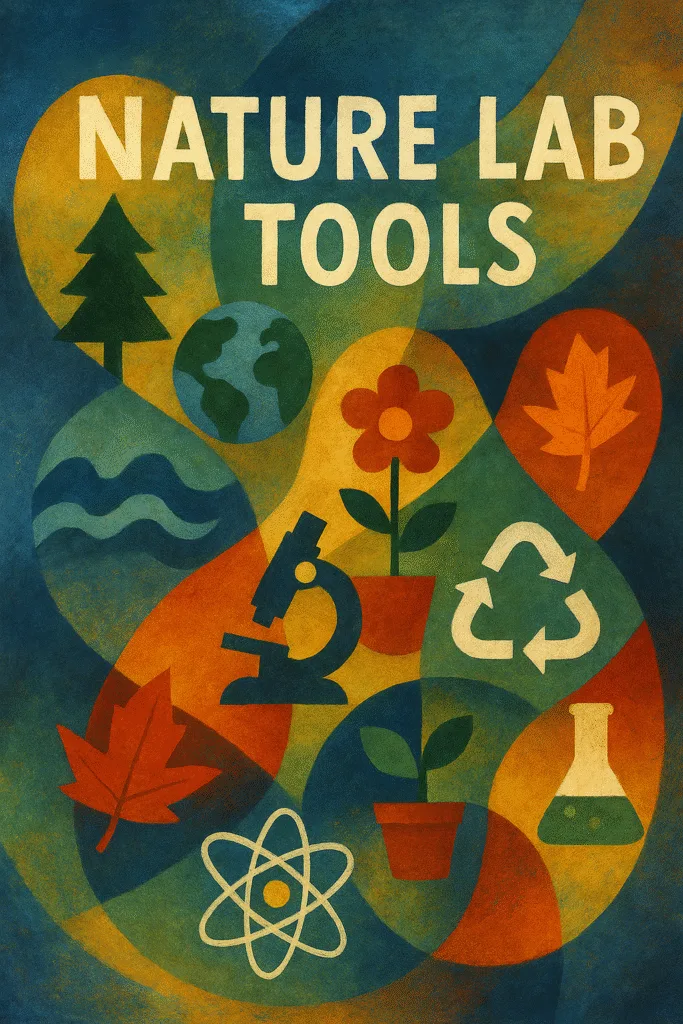
    Conceptual illustration of ten Nature Lab tools with abstract shapes, textured lighting, and nature-inspired icons
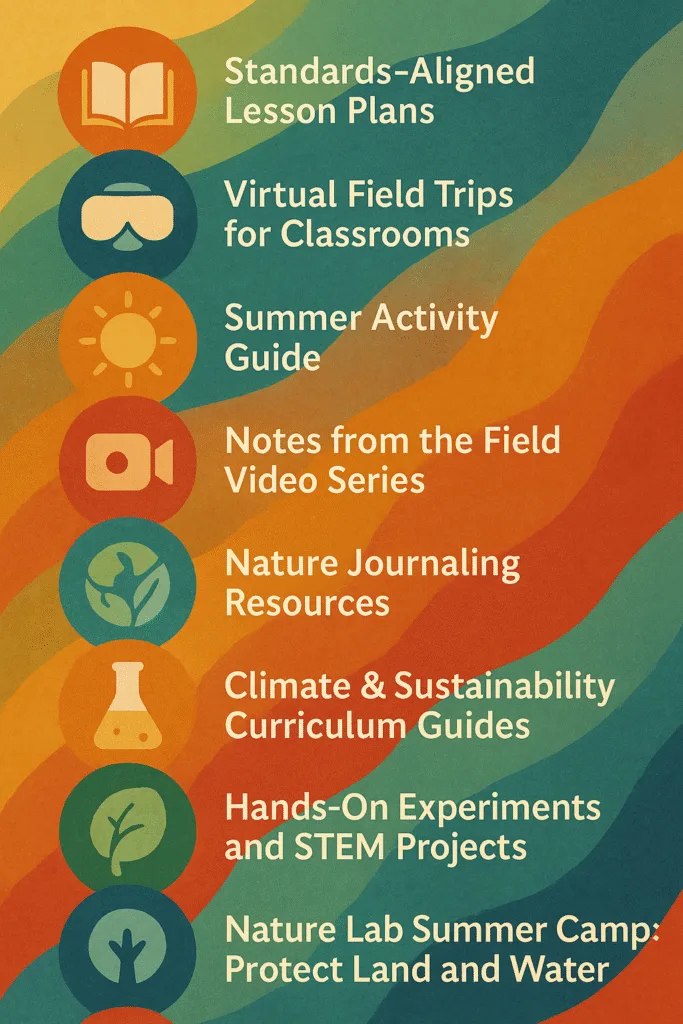
    Vertical infographic listing 10 Nature Lab tools with numbered circles, icons, and organic textured background
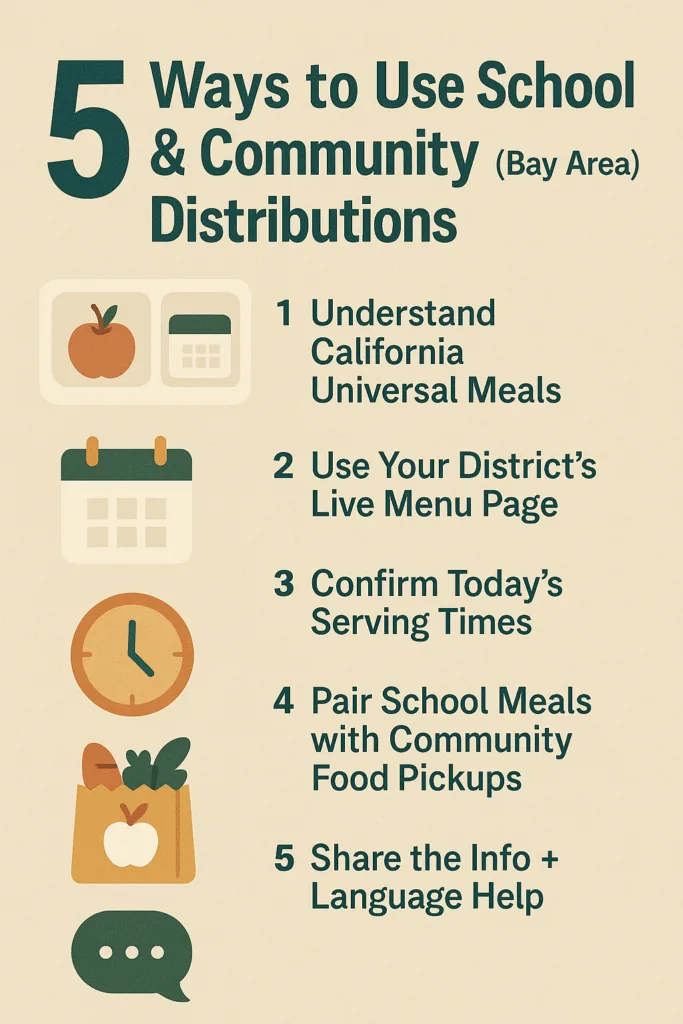
  • 5 Ways to Use School & Community Distributions (Bay Area)

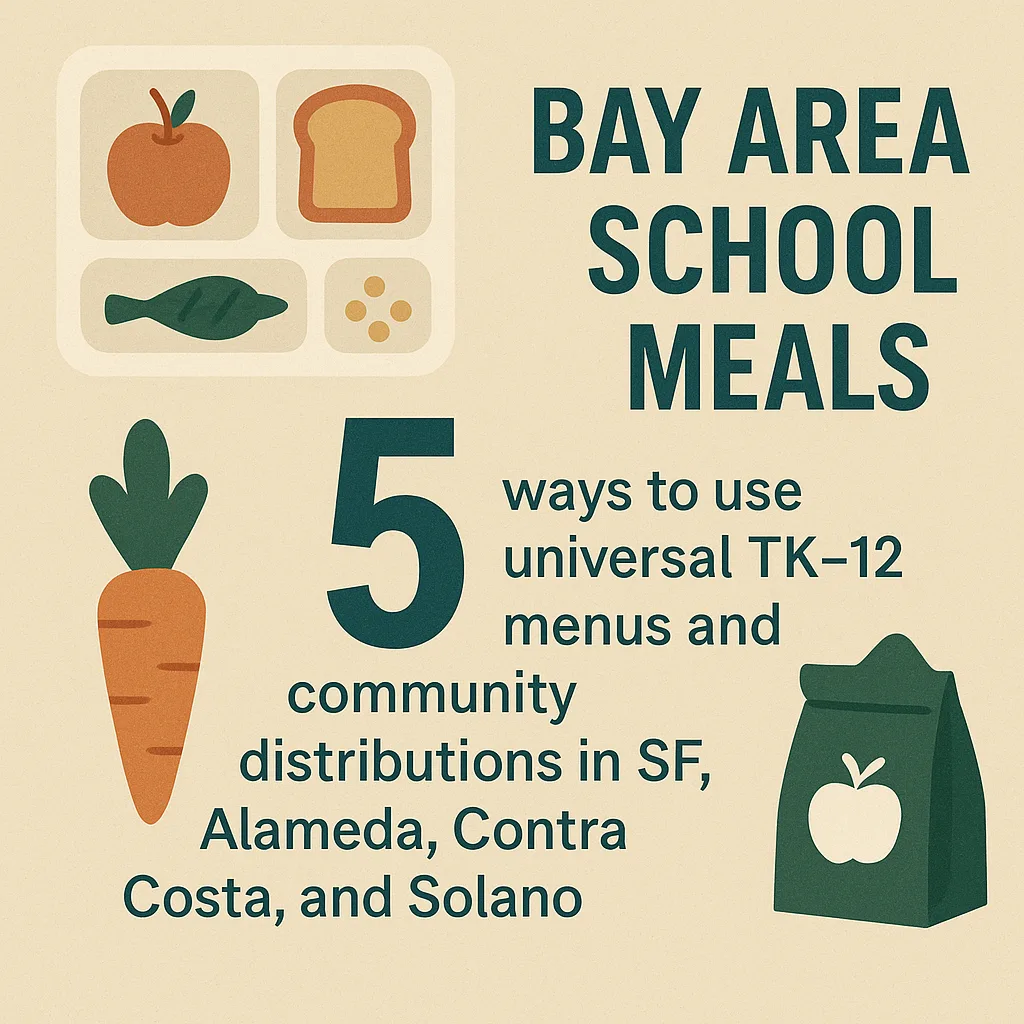
    bay area school meals top 5 universal tk–12 menu ideas with lunch tray carrot and paper bag illustration
    infographic showing 5 ways to use bay area school and community meal distributions with icons for meal tray calendar clock grocery bag and speech bubble
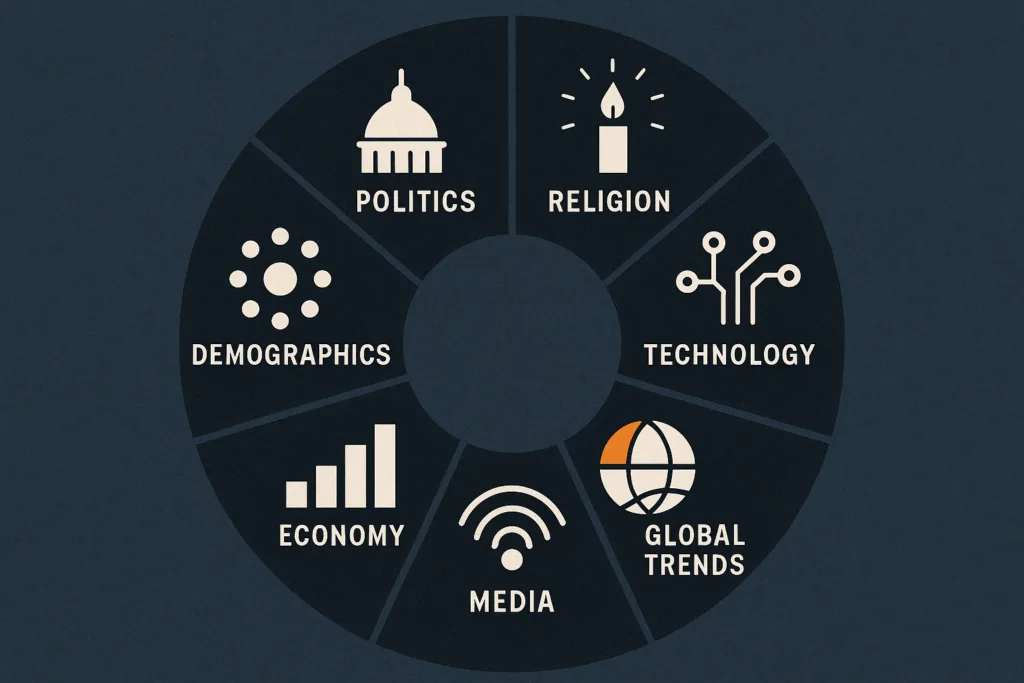
  • 7 Major Research Topics Covered by Pew Research Center

    Research topics infographic, seven colored pillars rising from book, abstract icons for politics, tech, global trends, editorial illustration
    Top 7 research topics infographic showing icons for politics, religion, demographics, tech, media, economy, global trends
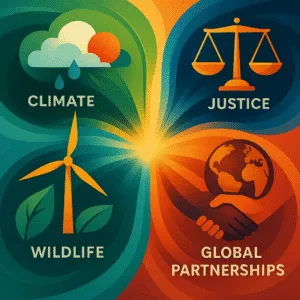
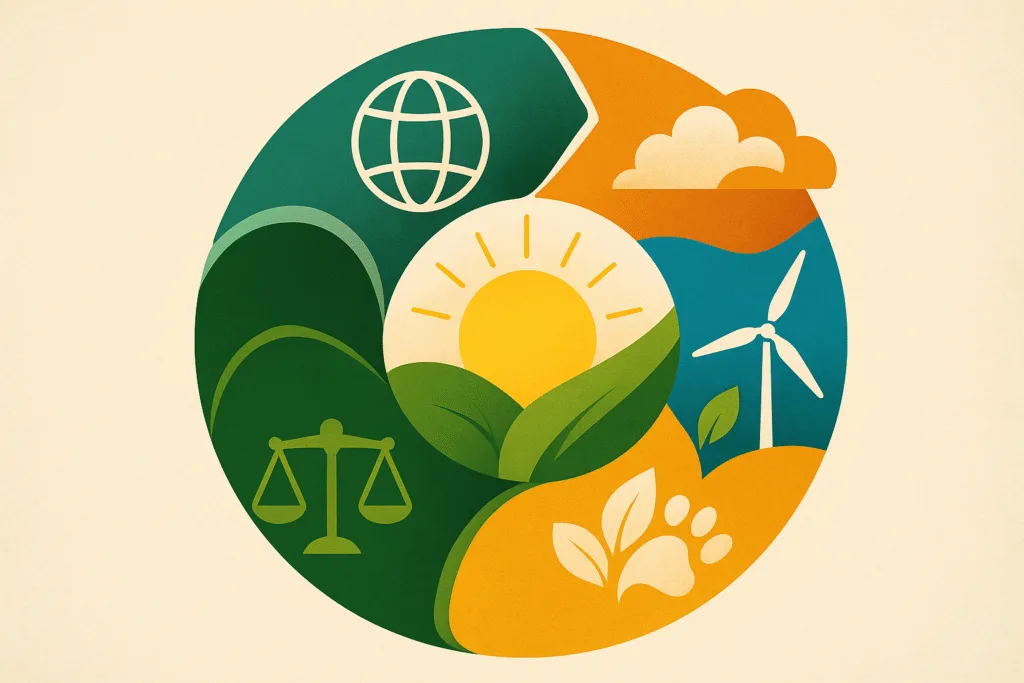
  • 5 Key NRDC Environmental Programs That Are Shaping a Greener Future

    Environmental programs infographic showing five pillars—climate, energy, wildlife, justice, partnerships—circular design, editorial illustration.
    Editorial illustration showing five abstract segments for NRDC programs: climate change, clean energy, wildlife, justice, international collaboration.