
Category: Story
Relational, collective, narrative writing that tells the human story behind issues and organizations. Each guide here brings people, community, and shared experience to the foreground.
-
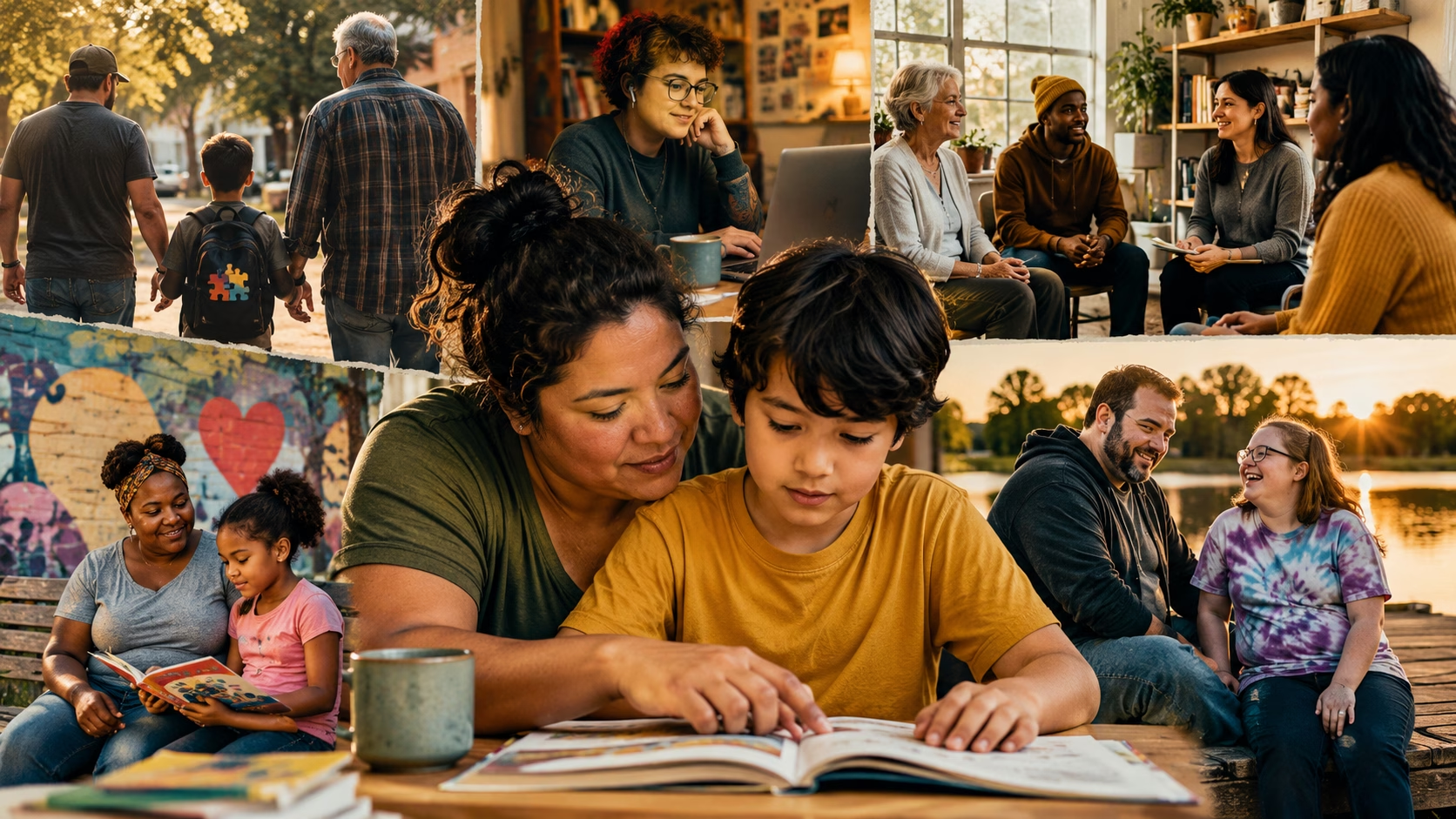
Autism Research Institute for Families and Care Teams
Autism Research Institute Resources for Families, Adults, and Care Teams Many families had started their autism search with a question that felt personal. A parent may have noticed early signs, an adult may have wondered about a missed diagnosis, or a clinician may have needed clearer education for a care plan. In those moments, Autism…
-
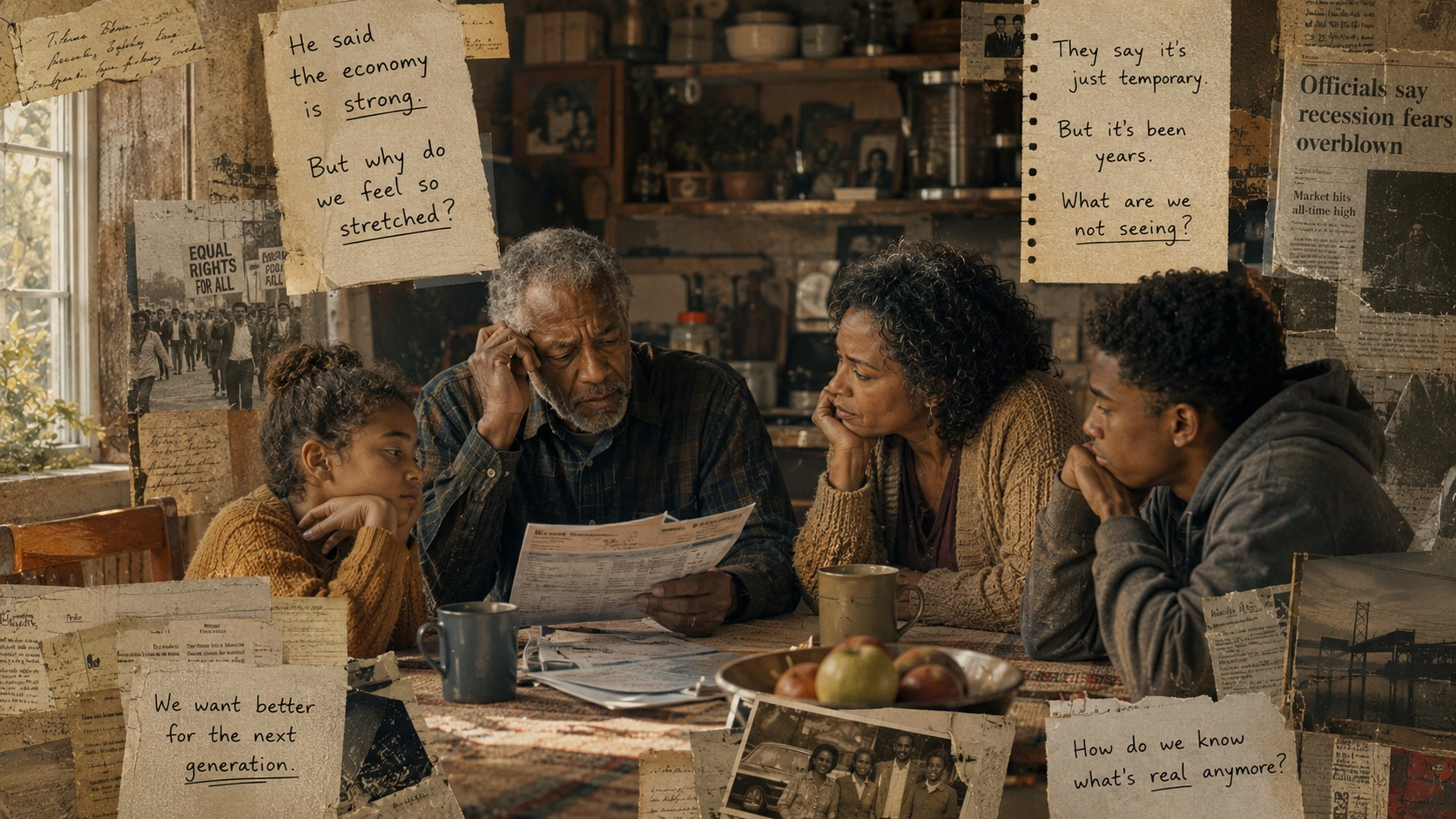
Why People Explain Away Contradictions
Cognitive Dissonance: Why People Explain Away Contradictions Cognitive dissonance had often begun quietly, inside a person who had tried to keep belief, action, and self-image together. He may have valued honesty and still hidden a mistake. She may have believed in fairness and still accepted a decision that harmed another family. We had seen that…
-
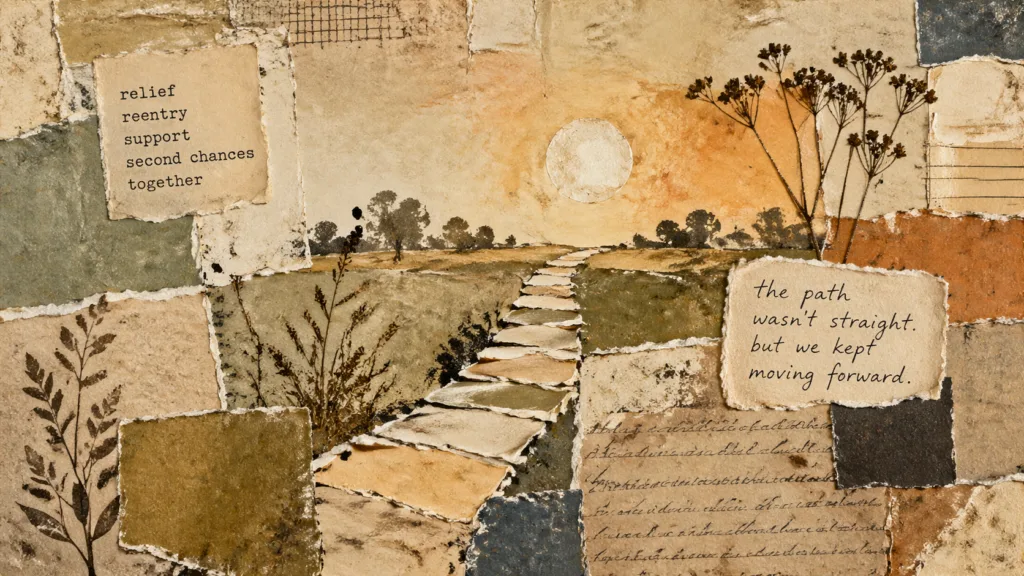
Last Prisoner Project and the Paths Families Took
Last Prisoner Project and the Paths Families Took Toward Relief and Reentry The Last Prisoner Project became part of a longer story that families had already been living through. Even after cannabis laws had changed, many people still carried older convictions, supervised-release terms, and the strain that had settled across parents, partners, children, and close…
-
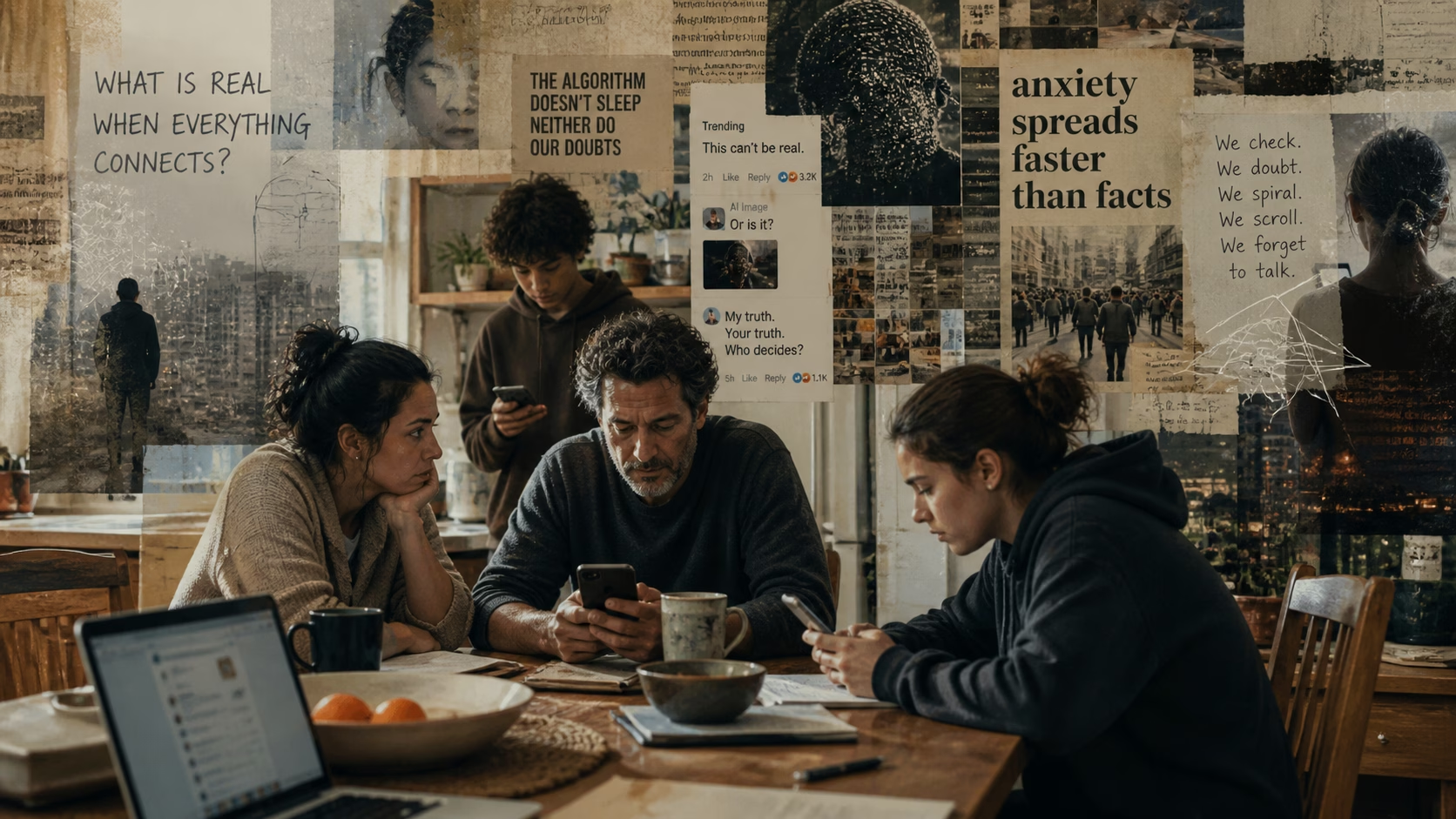
Shared Psychosis: AI, Social Media, and Belief
Shared Psychosis in Modern Society: AI, Social Media, and Belief Psychosis in modern society had become more than a private clinical concern. It had become a shared story about families, friends, technology, and the fragile ways people had tested reality together. A son, sister, parent, or close friend might have struggled with fear, hidden meanings,…
-
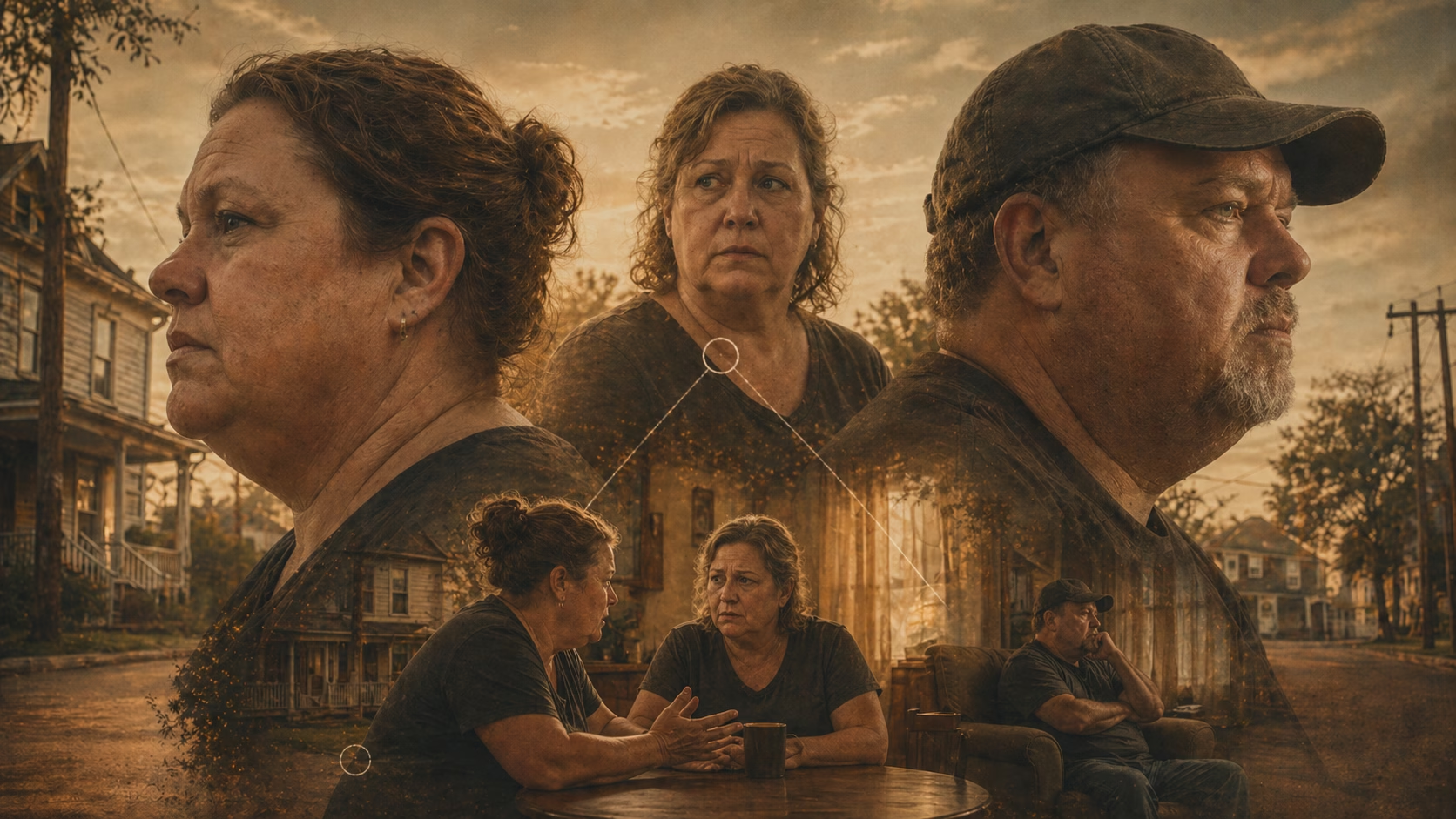
When a Third Person Was Brought Into Conflict
Psychological Triangulation: When a Third Person Was Brought Into Conflict Psychological triangulation had often begun in quiet moments between two people who found it hard to speak directly. A disagreement lingered, tension built, and instead of turning toward each other, one person reached outward. A third person was brought in, and what had started as…
-

How Shared Data and Public Tools Helped Communities
World Resources Institute: How Shared Data and Public Tools Helped Communities Understand a Changing World The World Resources Institute entered public life through problems that had already been linked in families, neighborhoods, and institutions. In one place, water stress had touched crops, health, and power. In another, forest loss had unsettled livelihoods, biodiversity, and carbon…
-
Institute for Justice Mattered to Families, Rights, and Everyday Life
Why the Institute for Justice Mattered to Families, Rights, and Everyday Life The Institute for Justice entered public life through stories that rarely began in legal abstraction. More often, a parent, a homeowner, a shop owner, or a working family had faced a government action that changed the course of ordinary life and left fear,…
-

What One Stranded Seal Taught Communities About Ocean Health
The Marine Mammal Center and the Bigger Story Communities Shared About Ocean Health Along the California coast and across Hawaii, The Marine Mammal Center had come to represent more than a hospital for animals in distress. Its work had unfolded inside a larger shared story, where a stranded seal or sea lion often drew together…
-

Community-Centered Guide to the National Women’s Law Center
A Caring, Community-Centered Guide to the National Women’s Law Center: How Gender Justice Support Can Help You, Your Family, and the People Around You The National Women’s Law Center, or NWLC, is an organization that helps advance gender justice through legal advocacy, policy work, education, and public support. Its work helps women, families, and communities…
-

How Our Beliefs Quietly Shape What We Notice: A Shared Guide to Confirmation Bias
Exploring How Our Minds Filter Experience Together Each day, you and I move through a world filled with more information than any mind can consciously process. To help us navigate this complexity, our brains rely on familiar beliefs, experiences, and expectations that gently guide what we notice and what feels meaningful. One pattern that often…