

Psychological Triangulation: When a Third Person Was Brought Into Conflict
Psychological triangulation had often begun in quiet moments between two people who found it hard to speak directly. A disagreement lingered, tension built, and instead of turning toward each other, one person reached outward. A third person was brought in, and what had started as a private conflict slowly became shared.
We had seen how this shift changed relationships over time. She or he who entered the middle often felt trusted at first, then responsible, then uneasy. What looked like support often became pressure, and the story of the conflict expanded beyond the people it belonged to.
In this article
- What psychological triangulation had looked like in relationships.
- Why a third person had been brought into conflict.
- How the middle person had experienced the pressure.
- How the conflict had returned to direct conversation.
The American Psychological Association had described triangulation as a pattern where two people in conflict involved a third person. Bowen family systems theory had also shown how triangles formed when anxiety between two people became difficult to manage. In that moment, a third person helped stabilize the tension, even if only temporarily.
We had understood that not every triangle caused harm. A therapist, mediator, elder, or trusted friend could support clearer communication. The difference appeared in how the triangle functioned. Healthy support brought people back together, while unhealthy triangulation kept them apart and placed emotional weight on someone else.

Psychological Triangulation Had Turned One Conflict Into a Shared Experience
Once a third person entered the situation, the conflict rarely stayed between the original two people. She or he in the middle often became part of the emotional system, whether through listening, relaying messages, or holding tension. Across families, friendships, and workplaces, this pattern changed how people connected and communicated.
What psychological triangulation had looked like in relationships.
Psychological triangulation had appeared whenever conflict between two people was handled through someone else. The third person may have listened, offered advice, delivered messages, or confirmed one side of the story. Over time, that role often became heavier than it first seemed.
In families, the pattern often involved children. A parent may have shared frustrations about the other parent, creating a sense of closeness while also placing emotional responsibility on the child. That child may have felt torn between loyalty and discomfort, unsure of how to respond.
In romantic relationships, triangulation often showed up through comparison or outside validation. One partner may have mentioned what friends thought or compared the relationship to another. These moments brought a third presence into the conflict, even if that person was not physically there.
In workplaces, triangulation often appeared through indirect communication. A concern was shared with others before it was shared with the person involved. Over time, this created confusion about where the real conversation had taken place and who held responsibility.
Across these examples, the structure stayed the same. The conflict moved around the people involved instead of through them.
Why a third person had been brought into conflict.
People had often brought someone else into conflict because direct communication felt difficult. She or he may have feared rejection, misunderstanding, or escalation. Speaking to a third person felt safer, even if it did not resolve the issue.
We had also seen how this pattern reduced immediate anxiety. Talking to someone else created relief and validation. That relief, however, did not last. The original tension remained, and the relationship between the two people often became more distant.
Sometimes triangulation had been used in a more intentional way. A person may have shaped how others saw the situation by sharing selective details. A partner may have introduced comparison to create insecurity. A coworker may have influenced group opinion before a direct conversation occurred. The CDC had described psychological aggression as communication intended to harm emotionally or exert control. Earlier data showed that nearly half of both women and men had experienced this in relationships. While triangulation was not always harmful, repeated use for control or pressure showed how it could become part of a larger pattern.
How the middle person had experienced the pressure.
The middle person often felt the experience change over time. At first, she or he may have felt trusted or included. Listening to someone’s concerns felt like support. As the pattern continued, the role often became more complicated.
Confusion often followed. The middle person heard one version of events and sensed there was more that had not been shared. Without direct communication between the original two people, clarity became harder to reach.
Pressure to take sides sometimes appeared clearly. Other times, it was felt through expectation, tone, or repetition. Agreement began to feel assumed rather than chosen. The middle person may have worried about damaging one relationship while trying to maintain another.
Over time, this position created emotional strain. Relationships felt less stable, and communication felt less clear. The middle person often carried responsibility without having real influence over the outcome, which created anxiety and fatigue
How the conflict had returned to direct conversation.
Change often began when the middle person recognized the pattern. She or he could see that the conflict did not belong to them, even if they had been placed at the center of it. That awareness made space for a different response.
A calm boundary often helped shift the situation. The middle person could return the conversation to the people involved by stating that the issue needed to be discussed directly. This response did not dismiss the concern, but it changed where responsibility lived.
Consistency helped the pattern weaken. When messages were no longer carried and sides were no longer taken, the triangle lost its structure. In families, this meant keeping children out of adult conflict. In workplaces, it meant encouraging direct and open communication.
In situations where triangulation was part of a more harmful pattern, outside support became important. The National Domestic Violence Hotline had identified signs such as isolation, control, and intimidation, and provided resources for safety planning. In those cases, stepping out of the triangle supported both clarity and safety.
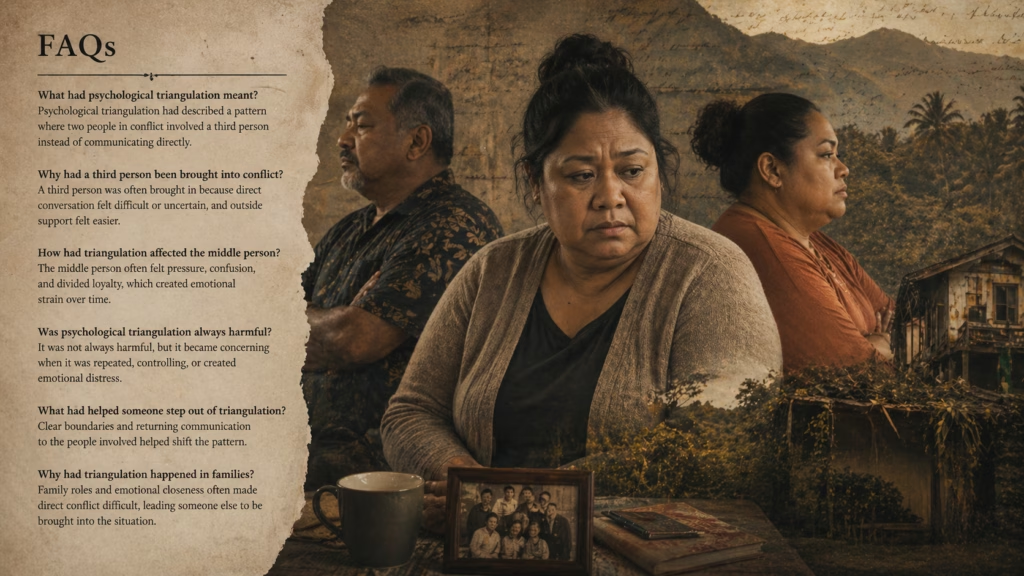
FAQs
Psychological triangulation had described a pattern where two people in conflict involved a third person instead of communicating directly.
A third person was often brought in because direct conversation felt difficult or uncertain, and outside support felt easier.
The middle person often felt pressure, confusion, and divided loyalty, which created emotional strain over time.
It was not always harmful, but it became concerning when it was repeated, controlling, or created emotional distress.
Clear boundaries and returning communication to the people involved helped shift the pattern.
Family roles and emotional closeness often made direct conflict difficult, leading someone else to be brought into the situation.
The Conflict Had Changed When It Returned to the People Involved
The situation became clearer when the role of the third person was understood and the conversation moved back to where it began.
More on Psychological Triangulation
Explore psychological triangulation from every angle: